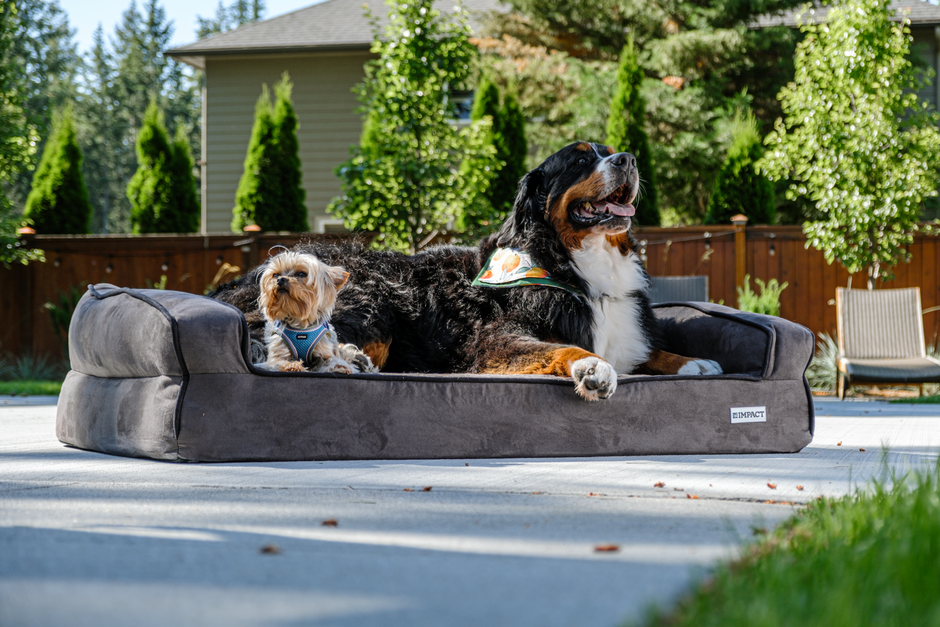

The choice between a dog harness vs collar has more impact on your dog’s physical health and walking experience than most owners realize. According to a study published in the journal Veterinary Record, dogs walked on collar leash attachment show significantly higher rates of neck injury intraocular pressure elevation and tracheal damage than dogs walked on harness attachment — findings that have shifted veterinary recommendations toward harness use for most daily walking applications. Yet the majority of dog owners still walk their dogs on collar leash attachment by default — simply because it is what they have always done rather than because they have consciously evaluated which option is actually better for their specific dog.
Both harnesses and collars have legitimate uses and neither is universally superior for every dog in every situation. The right choice depends on your specific dog’s size breed health history pulling behavior training stage and daily activity level. This complete comparison covers every meaningful difference so you can make the right choice for your dog rather than the default choice that may not serve their needs optimally.
Dog Harness vs collar — Understanding What Each Does…!
Before comparing specific attributes understanding exactly what collars and harnesses do differently explains every comparison that follows.
A collar is a band fitted around the dog’s neck that serves as the attachment point for identification tags and leash connection. All leash force — whether from the handler for guidance or from the dog pulling forward — concentrates directly on the dog’s neck and trachea through the collar contact point.
A harness is a strap system that fits around the dog’s chest shoulders and body — distributing leash attachment force across the broad chest and shoulder area rather than concentrating it at the neck. This distribution fundamentally changes the physical impact of leash forces on the dog’s body during every walk interaction.
Safety Comparison — The Most Critical Factor
Collar Safety Concerns
The primary safety concern with collar leash walking is the concentration of all leash force on the trachea and neck vertebrae — structures that are not designed to withstand repeated compressive force from pulling incidents that occur during every walk of a less than perfectly trained dog.
Small and toy breed dogs face the greatest tracheal injury risk from collar walking — their smaller more delicate tracheal structures are disproportionately vulnerable to the compressive force that pulling creates against collar contact. Brachycephalic breeds — Bulldogs Pugs French Bulldogs Boston Terriers — whose already compromised airways make additional tracheal pressure particularly dangerous are among the highest risk groups for collar walking injury.
Dogs with existing neck injuries cervical spine issues or eye conditions such as glaucoma face specific risks from collar pressure that make harness use a veterinary recommendation rather than merely a preference. The intraocular pressure elevation that collar neck pressure produces is particularly concerning for dogs with existing eye conditions where pressure management is medically important.
Harness Safety Advantages
Harness leash attachment distributes force across the broad chest and shoulder area — structures specifically designed to absorb and transmit significant force loads during the pulling running and jumping activities that dogs engage in naturally. The force distribution eliminates the concentrated tracheal and neck pressure that collar walking creates during every pulling incident.
Harnesses also prevent the escape that collar backed out dogs — dogs who back their heads out of collars not fitted precisely enough — accomplish by pulling backward and compressing the collar shape that allows head withdrawal. The wraparound body design of harnesses makes this escape route impossible regardless of fitting precision — an important safety advantage for dogs with escape tendencies.
Front clip harness designs that redirect pulling dogs toward their handler rather than allowing forward progress provide an additional safety advantage through pulling reduction — a dog that pulls less creates less leash tension and less risk of sudden leash jerking incidents that injure both dog and handler.
Safety Winner: Harness for daily walking — particularly for small breeds brachycephalic breeds dogs with health considerations and dogs who pull consistently.
Control Comparison
Collar Control
For well trained dogs with reliable leash manners collar control is entirely adequate — the leash attachment point at the neck provides sufficient guidance for dogs who respond reliably to directional leash cues without significant pulling. The simplicity of collar leash connection makes it fast and practical for dogs who require minimal leash management during walks.
For pulling dogs or dogs in early leash training collar control is less effective than harness alternatives — the direct forward pulling position that collar attachment allows gives dogs maximum mechanical advantage for forward pulling against the handler’s restraint. A dog pulling hard forward on a collar is in the strongest possible pulling position with full body weight and momentum available.
Harness Control
Front clip harness designs that attach the leash at the chest rather than the back provide superior pulling management by redirecting the pulling dog toward the handler when they pull forward — the physics of front clip attachment turn the dog sideways rather than allowing continued forward progress that back clip attachment permits.
The integrated handle that many harnesses include on the back provides immediate physical control capability in high distraction encounters — grabbing the handle gives direct physical influence over the dog’s movement without fumbling for a leash or collar in the seconds that emergency control situations demand.
Control Winner: Harness for pulling dogs and training situations. Equal for well trained dogs. Collar adequate for reliable leash manners.
Comfort Comparison
Collar Comfort
A properly fitted collar worn by a dog who does not pull provides entirely comfortable wearing experience — the collar sits loosely on the neck without pressure during relaxed movement and causes no discomfort during normal daily wear. The lightweight minimal design of quality collars creates less overall wearing awareness than bulkier harness alternatives.
For pulling dogs the collar becomes actively uncomfortable during walking — the tracheal and neck pressure that pulling creates against collar contact creates genuine discomfort that the dog learns to associate with leash walking rather than with their pulling behavior — potentially creating walk aversion in sensitive dogs.
Harness Comfort
A properly fitted harness distributes wearing contact across broad body areas without the concentrated pressure points that collar wearing creates at the neck — providing comfortable wearing experience particularly during active walking where leash forces occur regularly.
Improperly fitted harnesses create rubbing and chafing at contact points — particularly the armpits and chest where poor fitting designs contact skin during movement. Proper harness fitting that allows two fingers under all straps without contact gap prevents the rubbing that makes poorly fitted harnesses genuinely uncomfortable over extended wearing periods.
Comfort Winner: Equal for well fitted equipment on non pulling dogs. Harness superior for pulling dogs who experience collar discomfort during walks.
Training Effectiveness
Collar in Training
Standard flat collars provide insufficient pulling correction for dogs in early leash training stages — the direct forward pulling position that collar attachment allows gives dogs no mechanical reason to stop pulling from the equipment itself. Training collar varieties including prong collars and choke chains that apply corrective pressure during pulling create the ethical and injury concerns that most modern training approaches reject entirely.
Collars function well for directional guidance of dogs who have already learned leash manners through appropriate training rather than as pulling correction tools during the initial training process.
Harness in Training
Front clip harnesses provide passive pulling correction through physics rather than pain — the redirection toward the handler that front clip attachment creates during pulling attempts teaches dogs through body mechanics rather than discomfort that pulling forward does not produce the forward progress they seek. This passive teaching through movement redirection is among the most humane and effective pulling management approaches available.
The dual clip harness that allows both front and back attachment provides training versatility — front clip for active training walks where pulling management is needed and back clip for relaxed exercise walks where reliable trained dogs need minimal leash management.
Training Winner: Front clip harness for pulling management and early leash training. Collar adequate for maintenance of established leash manners.
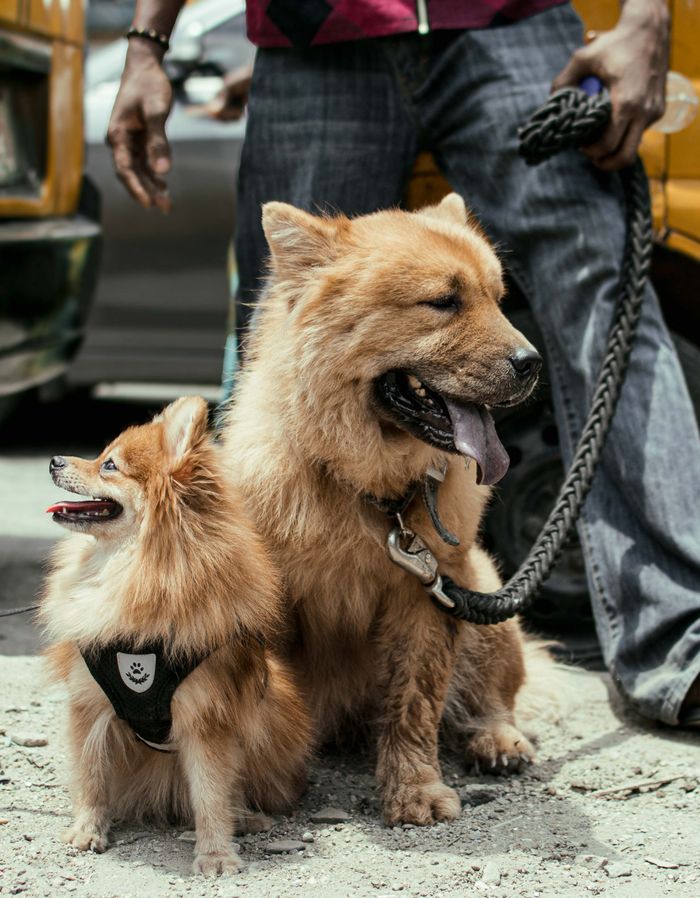
Specific Situations — Which to Choose
Always use a harness:
- Brachycephalic breeds with breathing challenges
- Small and toy breeds with delicate tracheas
- Dogs with neck injuries or cervical spine issues
- Dogs with eye conditions affected by pressure changes
- Consistent pullers in any breed or size
- Puppies in early leash training
- Dogs with escape tendencies who back out of collars
Collar adequate:
- Well trained adult dogs with reliable leash manners
- Identification tag wear at all times regardless of walking equipment
- Breeds without health considerations and minimal pulling
- Situations where quick leash attachment and removal is prioritized
Use both simultaneously:
Many experienced dog owners use both a properly fitted collar for permanent identification tag wear and a harness for leash walking attachment — getting the identification security of collar wearing with the safety and control advantages of harness leash attachment. This combination represents the most comprehensive approach for most dogs regardless of breed size or training stage.
The Final Verdict
For most dogs the evidence consistently supports harness use for daily walking as the safer and more comfortable option. Check out our complete guide to the best dog harnesses under $50 for the most affordable highly rated harness options that deliver superior safety and control for dogs of every size and breed.
Collars remain essential for identification tag attachment regardless of whether you walk your dog on a harness or collar leash attachment. Check out our complete guide to the best dog collars under $50 for durable comfortable and stylish collar options that keep your dog safely identified every single day. And once your dog is properly equipped for safe comfortable walking check out our complete guide on how to train your dog with positive reinforcement for the most effective humane training techniques that build reliable behavior and a stronger bond between you and your dog.
The optimal walking setup for most dogs is a quality harness for leash attachment combined with a comfortable collar for permanent identification tag wearing — combining the safety advantages of harness walking with the identification security of collar wearing in one complete daily walking system that serves both functions without compromise. And if you are also a cat owner check out our complete comparison of wet food vs dry food for cats to make the most informed nutrition decision for your feline companion’s long term health and wellbeing.