

Choosing the right pet for your apartment is one of the most consequential decisions any apartment dweller makes for their daily quality of life. According to the American Pet Products Association, over 70 percent of US households own at least one pet — yet apartment-specific pet choice research consistently shows that mismatched pet and living environment combinations are among the leading causes of pet surrender to shelters making the initial choice decision the single most impactful intervention for long-term pet welfare.
The excitement of wanting a pet is a genuinely positive impulse — the problem is when that excitement drives a specific animal choice without the honest assessment of lifestyle compatibility that determines whether the pet and owner will genuinely thrive together in an apartment environment.
Knowing how to choose the right pet for your apartment means honestly evaluating your actual daily lifestyle your apartment’s specific constraints and the genuine long-term commitment requirements of each pet type — before falling in love with a specific animal whose care requirements your current situation cannot realistically meet. This guide covers every factor that matters in making an apartment pet decision that you and your future companion will both be glad you made carefully.
Why Apartment Pet Choice Requires More Thought Than House Pet Choice?
Apartment living introduces specific constraints that house pet ownership does not face — and these constraints make certain pets genuinely unsuitable for apartment environments regardless of how much the owner wants that specific animal type.
Space limitation — Apartments provide significantly less space than houses for most pet types — the smaller floor area restricting the movement range that high-energy animals need for physical wellbeing. A pet that is physically active by nature but confined to insufficient space consistently shows the anxiety destructive behavior and health impacts of inadequate exercise regardless of how attentive the owner is to other aspects of their care.
Noise restrictions — Most apartment buildings have explicit noise restrictions that affect which pet types are practically viable regardless of what the lease technically permits. A dog who barks when left alone creates neighbor conflicts and lease violations that a quiet pet would never produce in the same apartment.
Landlord restrictions — Most apartment leases include pet clauses that restrict specific animal types sizes and sometimes breeds regardless of whether those restrictions reflect genuine necessity or historical policy that the landlord has never updated. Understanding your specific lease restrictions before falling in love with a specific animal prevents the devastating situation of bringing home a pet that your lease prohibits.
Outdoor access limitations — Pets who need regular outdoor access for bathroom or exercise depend on the owner’s immediate availability in ways that house pets with yard access do not. An apartment dog requires the owner to be physically present and available for multiple daily outdoor trips that a house dog with yard access handles independently.
Factors to consider on How to Choose the Right Pet For Your Apartment.
Following factors should be considered before choosing the right pet for your apartment:
Factor 1 — Your Lifestyle Honestly Assessed
The most important input into the right apartment pet decision is an honest rather than aspirational assessment of your actual daily lifestyle — the hours you spend at home your activity level your travel frequency and your genuine willingness to prioritize pet care commitments over social and professional alternatives.
Time at home — Pets who require significant daily companionship and interaction — dogs in particular — experience genuine welfare distress when left alone for extended periods that a work-from-home owner might handle easily but a full-time office worker might not without supplementary dog walking or daycare arrangements that add significant cost and logistics to the pet ownership equation.
Activity level — Your honest daily activity level should match rather than exceed your target pet’s exercise needs. Choosing a high-energy dog breed to motivate more exercise is a well-intentioned but frequently unsuccessful strategy — the dog’s exercise needs persist through the many days when your motivation does not and the gap between the dog’s needs and your actual activity level produces an unhappy dog regardless of your intentions.
Travel frequency — Frequent travelers face pet care logistics challenges that different pet types resolve with varying difficulty and cost. A cat can be safely left with automatic feeders and a once-daily check-in from a neighbor for short trips. A dog requires daily care provision through boarding kennels pet sitters or dog-friendly travel arrangements that add significant complexity and cost to every trip.
Social lifestyle — A social lifestyle with frequent home visitors late nights and irregular schedules suits some pet types and stresses others. Cats generally accommodate irregular human schedules better than dogs whose daily routines benefit significantly from the predictable timing that consistent schedules provide for feeding exercise and bathroom access.
Factor 2 — Your Apartment’s Specific Constraints
After lifestyle assessment the specific physical and regulatory constraints of your apartment determine which pet types are practically viable within your specific living situation.
Square footage — The minimum square footage that different pet types require for comfortable apartment living varies enormously. Cats are among the most space-efficient pets — they use vertical space through climbing and occupy floor space efficiently through their independent nature. Small dog breeds can be comfortable in studio and one-bedroom apartments with sufficient outdoor exercise. Large dog breeds that require significant floor space for comfortable movement are genuinely challenging in small apartments regardless of how much outdoor exercise they receive.
Noise transmission — The acoustic properties of your specific apartment building significantly affect which pets are practically viable. Thin walls and noise-sensitive neighbors make even moderately vocal dog breeds problematic while the same breeds would be entirely acceptable in better-insulated buildings. Assess your building’s acoustic properties honestly before committing to any pet whose natural vocal behavior could create neighbor conflicts.
Outdoor access — The distance from your apartment to outdoor bathroom and exercise areas affects dog ownership logistics significantly. A ground-floor apartment with immediate yard access makes dog ownership considerably more practical than a high-rise apartment that requires elevator trips and significant building navigation for every outdoor access. Assess your specific building’s outdoor access convenience honestly rather than assuming the general category of dog-friendly apartment covers your specific building’s practical access situation.
Lease terms — Review your specific lease pet clause before beginning any pet research — the specific terms that restrict species sizes and breeds in your building determine which pets are legally viable options before personal preference enters the decision.
Factor 3 — Noise Considerations for Apartment Living
Noise is the factor that most frequently creates the neighbor and landlord conflicts that damage apartment pet ownership experiences and sometimes result in the impossible choice between keeping the pet and keeping the apartment.
Dogs — The most significant apartment pet noise source. Barking when alone during work hours is the most common conflict-creating dog behavior in apartment buildings — a behavior that some breeds demonstrate rarely and that others demonstrate extensively regardless of training intervention. Research the specific noise tendency of any dog breed under serious consideration before purchasing or adopting — breed-specific barking tendency information is widely available and should be a primary selection factor rather than an afterthought after commitment.
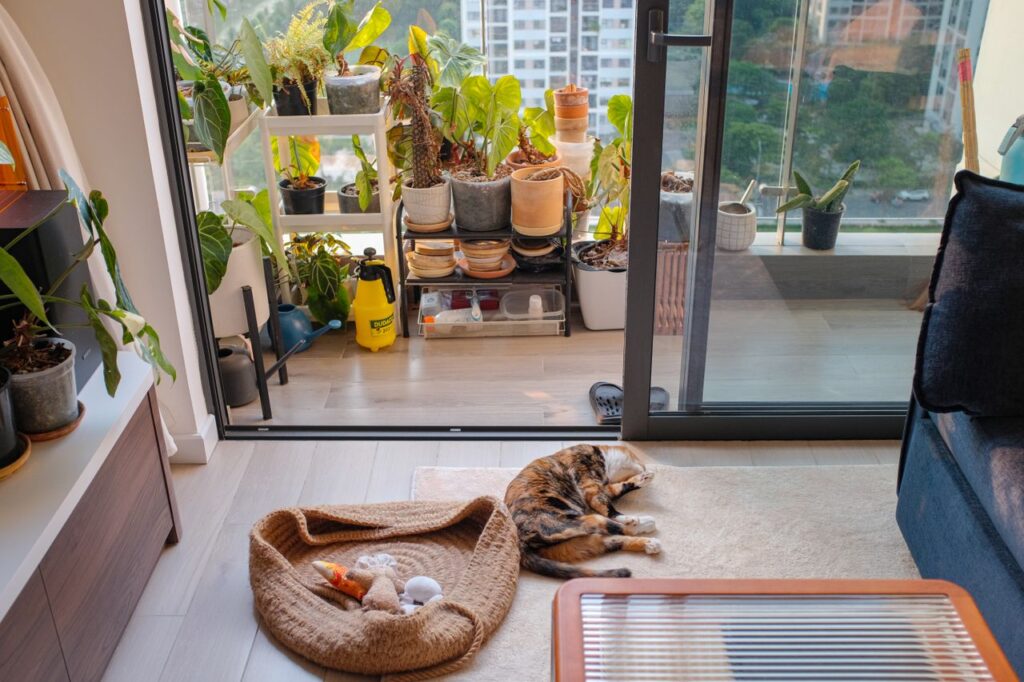
Cats — Significantly quieter than dogs under most circumstances. The main cat noise concerns are nighttime activity sounds — the running jumping and vocalization that cats engage in during their naturally active nighttime hours. These sounds are typically contained within the apartment rather than transmitting to neighbors and are manageable through activity provision that redirects nocturnal energy.
Birds — Variable noise depending entirely on species. Small finches and canaries produce pleasant low-volume sounds that most apartment situations accommodate easily. Parrots and cockatiels produce the significant vocalization that creates the same neighbor conflict risks as vocal dog breeds in thin-walled buildings.
Small animals — Hamsters gerbils guinea pigs and rabbits produce minimal noise that rarely creates neighbor conflicts — the primary sound being nighttime wheel activity from rodents that apartment walls contain effectively.
Fish and reptiles — Essentially silent — the ideal apartment pets from a noise perspective regardless of other factors.
Factor 4 — Budget Reality for Different Pet Types
The genuine long-term cost of different pet types varies enormously — and budget reality should be a primary factor in apartment pet selection rather than the secondary afterthought that excitement about a specific animal often relegates it to.
Dogs — The most expensive common apartment pet. Annual costs including food veterinary care grooming licensing boarding and accessories range from $1,500 to $4,000 depending on breed size and health. Dogs with predispositions to breed-specific health conditions accumulate significantly higher veterinary costs through their lifetimes that breed choice research can help anticipate.
Cats — Moderately expensive — annual costs of $800 to $1,500 for food veterinary care litter accessories and grooming for most domestic cat breeds. Indoor cats generally have lower veterinary costs than outdoor alternatives and live significantly longer on average — the lifetime cost comparison that makes indoor cat ownership more economical despite any perception of restriction.
Birds — Variable costs depending heavily on species. Small birds cost $200 to $500 annually while larger parrot species with complex care requirements and decades-long lifespans represent commitments of $1,000 to $3,000 annually and 20 to 80 years of care depending on the specific species.
Small animals — The most budget-accessible common pets. Hamsters gerbils and guinea pigs cost $200 to $600 annually for food bedding housing and veterinary care — significantly lower than cat and dog alternatives while providing genuine companionship.
Fish — Initial setup costs for quality aquariums vary widely but ongoing care costs of $100 to $400 annually make fish among the most budget-accessible pets for apartment dwellers who want living companions without the significant ongoing expense of mammalian alternatives.
Factor 5 — Allergen Considerations
Apartment living’s enclosed spaces concentrate airborne allergens more effectively than houses with more air volume and better ventilation — making allergen considerations more important for apartment pet selection than the same considerations in house environments.
Pet allergies affect approximately 10 to 20 percent of the population and represent a genuine lifestyle impact consideration for both the owner and frequent visitors to the apartment. The most common pet allergens come from proteins in animal saliva skin cells and urine rather than the fur itself — the misconception that short-haired breeds are hypoallergenic that leads to poorly matched pet choices for allergy-sensitive households.
Genuinely low-allergen pet types include fish reptiles and birds — the pets whose protein sources do not trigger the same immune responses that mammalian pets produce. Among mammalian pets certain dog and cat breeds have demonstrated lower allergen production in research contexts — the Poodle Bichon Frise and Portuguese Water Dog among dogs and the Siberian and Balinese among cats — though no breed is genuinely allergen-free for severely allergic individuals.
Best Pets for Apartment Living — Specific Recommendations
Based on the factors covered in this guide here are the specific pet types that most consistently suit apartment living for different lifestyle profiles.
Best overall apartment pet — Cats
Cats represent the most compatible pet type for apartment living across the broadest range of lifestyle situations — independent enough to tolerate work-away hours comfortably quiet enough to avoid neighbor conflicts space-efficient in their living area requirements and moderately priced compared to dog alternatives. The apartment cat who has adequate vertical space interactive toys and human companionship during home hours is genuinely content in apartment environments without the behavioral problems that undersatisfied high-energy pets develop.
Best apartment pet for social owners — Small dog breeds
Social owners who work from home or have flexible schedules that allow multiple daily outdoor trips find that small dog breeds — Cavalier King Charles Spaniels French Bulldogs Shih Tzus and similar breeds — provide the companionship and engagement that make apartment living more enjoyable without the exercise demands of larger working breeds that apartment environments cannot adequately satisfy.
Best apartment pet for busy professionals — Fish
Busy professionals whose work travel schedules and long office hours make daily care commitment challenging find that quality aquariums provide the living beauty and relaxation benefit of pet ownership without the care dependency that mammalian pets require. A properly established aquarium with automatic feeding equipment handles multi-day owner absences without the care logistics that cats and dogs require during the same periods.
Best apartment pet for families with children — Guinea pigs or rabbits
Families with children who want the tactile interactive pet experience find guinea pigs and rabbits provide the handling socialization and genuine personality that children enjoy from pets — at a fraction of the space noise and cost requirements that dogs and cats involve in apartment settings where those requirements create the most practical challenges.
Best apartment pet for minimal commitment — Small birds or fish
Apartment dwellers who want living companionship without significant daily care commitment find that small birds like finches and budgies or well-maintained fish aquariums provide the presence and interest of living animals without the daily routine demands that more interactive pets require from owners whose lifestyles cannot consistently accommodate them.
Red Flags — Pets That Rarely Suit Apartment Living
Certain pet types consistently produce apartment living problems regardless of how enthusiastic the owner’s intentions are at the time of adoption — the honest discouragement that prevents welfare problems for both pet and owner.
Large active dog breeds — Border Collies German Shepherds Huskies and similar high-energy working breeds require exercise volumes and space that most apartments cannot provide regardless of how much outdoor time the owner supplements. These breeds in apartments frequently develop the destructive and anxiety behaviors that insufficient exercise and stimulation produce.
Highly vocal dog breeds — Beagles Dachshunds and some terrier breeds have natural barking tendencies that create neighbor conflicts in apartment buildings regardless of training investment — the breed characteristic that training moderates but rarely eliminates to the degree that noise-sensitive apartment environments require.
Exotic large animals — Reptiles and birds beyond budgie and finch size present the care complexity and occasionally the noise and regulatory complications that apartment environments are poorly suited to accommodate regardless of the owner’s enthusiasm for the specific species.
Frequently Asked Questions
Q: Do I need to tell my landlord if I get a pet?
A: Yes — most leases require explicit landlord approval for pets regardless of whether a general pet policy exists. Operating with an undisclosed pet violates most lease agreements and creates the risk of eviction or required pet removal that honest disclosure avoids. Review your specific lease and communicate with your landlord before acquiring any pet rather than after.
Q: What is the best dog breed for apartment living?
A: The breeds that most consistently suit apartment living are calm low-energy breeds that do not require extensive daily exercise — French Bulldogs Cavalier King Charles Spaniels Shih Tzus Pugs and Basset Hounds are among the most frequently recommended apartment dog breeds. Individual dog temperament matters as much as breed — meet any specific dog you are considering in advance rather than selecting based solely on breed reputation.
Q: Can I have a pet in a no-pets apartment?
A: Most no-pets lease clauses are legally enforceable and violating them creates genuine lease termination risk. The practical approach is negotiating with your landlord before acquiring a pet rather than assuming the clause will not be enforced. Some landlords will approve specific pet types with pet deposits that the lease clause was not written to accommodate — the conversation worth having before the pet acquisition rather than after.
Q: How do I introduce a pet to an apartment with existing pets?
A: Introduction protocols vary by pet type combination — cat-to-cat introductions require the gradual scent-based approach that our separate introduction guide covers in detail while dog-to-cat introductions require controlled initial meetings with the dog leashed and the cat free to retreat. Allow adequate adjustment time regardless of species combination rather than expecting immediate compatibility between animals who have never previously shared a territory.
Q: Is it fair to keep a dog in an apartment?
A: Yes — with the honest lifestyle match that fair apartment dog ownership requires. A dog whose exercise needs are met whose companionship needs are satisfied and whose behavioral needs are addressed through training and enrichment can live a genuinely happy apartment life. The fairness question is more accurately about whether the specific dog’s needs match the specific owner’s lifestyle than about apartment living as a category — some dogs thrive in apartments while others genuinely do not regardless of owner effort.
Conclusion
Choosing the right pet for your apartment is genuinely one of the best decisions you can make for your daily quality of life when the choice is informed by honest self-assessment rather than enthusiasm alone. The pet who matches your lifestyle your apartment and your long-term commitment capacity becomes the companion that enriches every day — the relationship that makes the careful initial choice investment immediately worthwhile.
Choosing the right pet for your apartment sets the foundation for a relationship that enriches your daily life for years — the decision that rewards careful consideration far more than impulsive enthusiasm regardless of how appealing any specific animal appears in the moment of first encounter. And if you choose a dog check out our complete guide on how to train your dog with positive reinforcement — the proven training techniques that make apartment dog ownership genuinely enjoyable from the very first week.
All guidance in this article is based on current veterinary and animal behavior research alongside genuine apartment living experience. If you decide a cat is the right choice for your apartment check out our complete guide on how to introduce a new cat to your home — the complete stress-free process that ensures your new cat settles in confidently and happily from day one. If you have chosen a cat and are wondering whether to allow outdoor access check out our complete comparison of indoor cat vs outdoor cat — the honest lifespan and health data that helps you make the right lifestyle decision for your new feline companion.