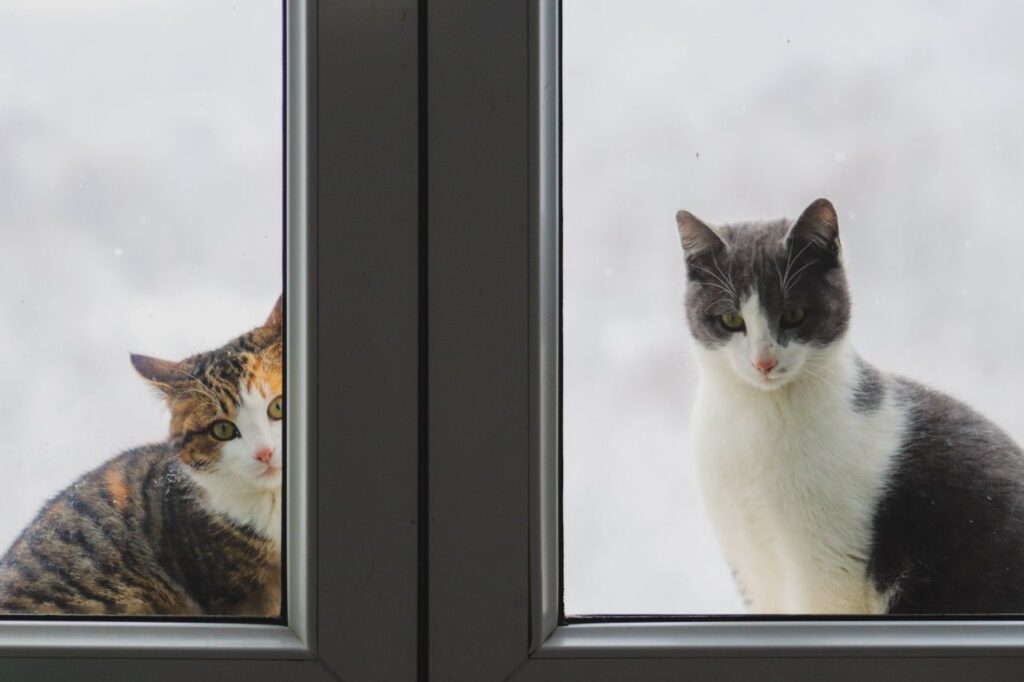
The indoor cat vs outdoor cat debate is one of the most genuinely consequential decisions a cat owner makes for their cat’s health longevity and quality of life. According to research published by the Journal of Feline Medicine and Surgery, indoor cats live an average of 12 to 18 years compared to the 2 to 5 year average lifespan of outdoor-only cats — a dramatic lifespan difference driven by the accident predation disease and human cruelty risks that outdoor access consistently exposes cats to regardless of neighborhood environment or traffic levels.
Yet the quality-of-life question — whether a longer safer indoor life is genuinely preferable to a shorter more stimulating outdoor life — is the more nuanced part of the indoor cat vs outdoor cat debate that the lifespan statistics alone do not fully resolve.
This complete comparison covers both dimensions — the safety and health data that strongly favors indoor lifestyle and the behavioral and enrichment considerations that make the indoor vs outdoor question more complex than the lifespan statistics alone suggest. The goal is giving you the complete honest picture so you can make the right decision for your specific cat in your specific situation.
The Safety Case for Indoor Cats — What the Data Shows?
The lifespan difference between indoor and outdoor cats is so dramatic that it warrants genuine examination of what outdoor access actually exposes cats to — because the 2 to 5 year average outdoor cat lifespan is not a rough approximation but a research-documented reality that cat owners who allow outdoor access consistently underestimate when they assess their specific neighborhood as safer than average.
Vehicle accidents represent the single largest cause of premature death in outdoor cats — the risk that most owners underestimate based on their subjective assessment of local traffic that does not account for cats’ behavior at night when the majority of vehicle-cat collisions occur regardless of daytime traffic levels. Cats active at dusk and dawn cross roads during the low-light periods when driver visibility is worst and cat road-crossing behavior is most predictable in its unpredictability.
Predation from dogs coyotes foxes and large birds represents a significant mortality risk in both urban and suburban environments that cat owners consistently underestimate based on infrequent personal sightings of predators that become meaningfully more active at the nighttime hours when cats roam most actively.
Disease exposure from contact with other cats — FIV feline leukemia and upper respiratory infections — affects outdoor cats at dramatically higher rates than indoor cats who lack the direct contact with unknown vaccination-status cats that outdoor roaming creates through territorial encounters and shared resources.
Toxin exposure from antifreeze garden chemicals rat poison and neighborhood hazards that well-intentioned neighbors place without awareness of roaming cats represents an underappreciated but significant outdoor cat mortality source that indoor environments completely eliminate.
Human cruelty — the deliberately uncomfortable reality that outdoor cats are significantly more vulnerable to intentional harm from humans who do not want cats in their yards gardens or neighborhoods — represents a mortality and injury risk that most cat owners prefer not to contemplate but that outdoor cat injury statistics consistently document as a real factor.
The Quality-of-Life Case for Outdoor Access — The Other Side
The honest indoor cat vs outdoor cat comparison requires acknowledging what outdoor access genuinely provides for cats — because dismissing the quality-of-life benefits of outdoor experience entirely produces a dishonest picture that does not serve cat owners trying to make genuinely informed decisions.
Behavioral expression — Outdoor cats express the full range of natural feline behaviors that indoor environments restrict — hunting territory patrolling climbing at height and the complex environmental stimulation that outdoor exposure provides. These behaviors are not luxury additions to feline wellbeing — they are the natural behavior repertoire that cats’ evolutionary development produced and that indoor environments must actively substitute rather than simply eliminate.
Physical exercise variety — The physical demands of outdoor navigation — the sprinting climbing jumping and terrain negotiation that outdoor environments require — provide physical conditioning that most indoor environments cannot replicate through toys and play alone. Sedentary indoor cats are significantly more prone to obesity and the metabolic health issues that obesity causes than their outdoor counterparts whose daily movement requirements exceed what indoor lifestyles naturally produce.
Mental stimulation diversity — The unpredictable complexity of outdoor environments provides the novel stimulation that indoor environments — however well-enriched — cannot fully replicate. Each outdoor excursion presents genuinely new sensory information social encounters and behavioral challenges that indoor environments provide in more limited and repetitive form regardless of enrichment investment.
Stress reduction for high-stimulation breeds — Certain cat breeds and individual cats with particularly high activity and stimulation requirements experience the chronic stress of under-stimulation in indoor environments that their specific behavioral needs exceed — the stress that manifests in destructive behavior excessive vocalization and the anxiety-related health issues that insufficient stimulation consistently produces in high-need cats confined to environments that cannot meet their requirements.
Indoor Cat vs Outdoor Cat Medical Realities; The Health Comparison
Beyond the lifespan statistics the specific health conditions that affect indoor and outdoor cats at different rates provide the most useful medical comparison for cat owners evaluating the genuine health implications of each lifestyle.
Conditions more common in outdoor cats:
Traumatic injuries from vehicles fights and falls represent the most significant acute health burden of outdoor cats — the emergency veterinary interventions that outdoor cats require at dramatically higher rates than indoor alternatives. Parasitic infections including fleas ticks intestinal worms and heartworm affect outdoor cats at significantly higher rates than indoor cats whose environment eliminates most exposure vectors. Infectious disease including FIV feline leukemia and upper respiratory infections affects outdoor cats through the direct contact with unknown cats that indoor alternatives avoid entirely.
Conditions more common in indoor cats:
Obesity and its associated metabolic consequences — diabetes joint disease and hepatic lipidosis — affect indoor cats at higher rates than outdoor cats whose daily movement requirements provide natural weight management that sedentary indoor lifestyles do not. Lower urinary tract disease affects indoor cats at higher rates — the combination of sedentary lifestyle stress and sometimes inadequate water intake that indoor environments create more readily than outdoor alternatives. Behavioral problems including over-grooming redirected aggression and compulsive behaviors manifest more frequently in indoor cats whose environmental stimulation needs are not adequately met through deliberate enrichment.
The medical comparison shows that indoor cats avoid the acute injury and infectious disease burden of outdoor cats while facing higher rates of the lifestyle-related chronic conditions that inadequate exercise and environmental stimulation produce — the health tradeoff that informed indoor cat management directly addresses through deliberate enrichment and lifestyle design.
Making Indoor Life Genuinely Fulfilling for Cats
The most important takeaway from the honest indoor cat vs outdoor cat comparison is that the indoor lifestyle that produces the best cat welfare outcomes is not simply outdoor access removed — it is a deliberately designed environment that actively provides what outdoor access naturally delivers.
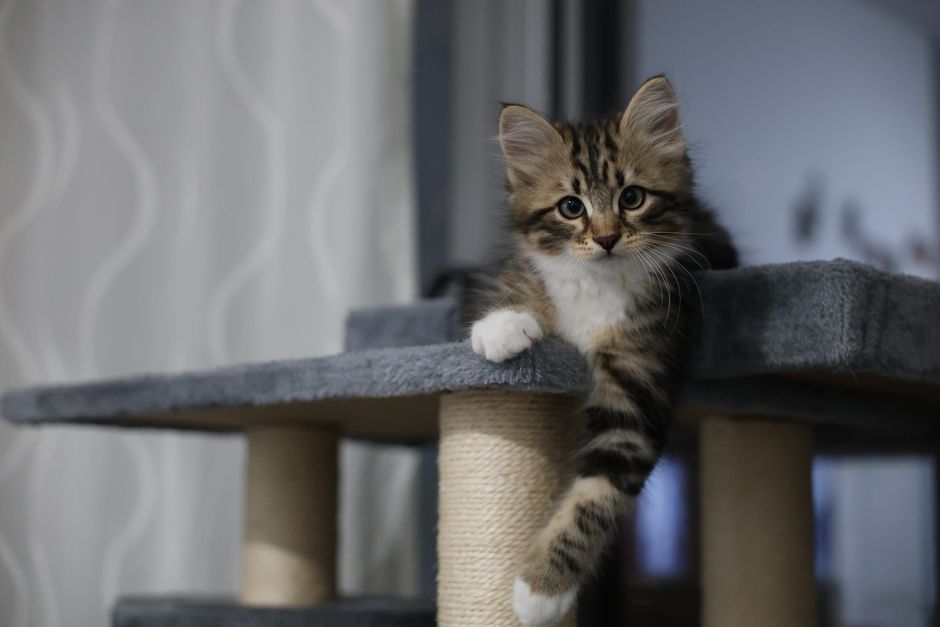
Vertical space — Cats are natural climbers who use height for safety surveying and territory expression. Cat trees wall-mounted shelves and window perches that allow cats to access elevated positions throughout the home provide the vertical territory that outdoor environments offer through trees fences and elevated surfaces that indoor environments must deliberately replicate.
Hunting simulation — The hunt-catch-kill-eat sequence that cats’ predatory instincts are built around finds no natural expression in indoor environments without deliberate provision. Interactive play sessions using wand toys feather teasers and prey-movement toys simulate the hunting sequence that cats need for behavioral satisfaction — the 10 to 15 minute twice-daily play sessions that most indoor cat behavior specialists recommend as the minimum hunting simulation that indoor cats require for behavioral wellbeing.
Environmental complexity — Indoor environments enriched with tunnels puzzle feeders rotating toy selections window bird feeders and varied perching options provide the novel stimulation that cats’ exploratory instincts require — the complexity that simple food-water-litter indoor setups fail to provide and that behavioral problems in under-stimulated indoor cats consistently reflect.
Outdoor access alternatives — The growing range of outdoor access options that provide environmental stimulation without full-roaming exposure include enclosed catios that allow outdoor air sun and nature observation without roaming freedom harness and leash walking for cats who accept harness introduction and supervised garden time within secure perimeters that provide genuine outdoor experience within managed risk boundaries.
The Compromise Approaches — Getting the Best of Both Lifestyles.
The binary indoor vs outdoor framing misses the growing range of approaches that provide meaningful outdoor experience within managed risk parameters — the compromise positions that many cat welfare experts now recommend as the optimal balance between the safety benefits of indoor lifestyle and the enrichment benefits of genuine outdoor experience.
Catio (cat patio) — An enclosed outdoor structure attached to the home or accessible through a cat door that allows genuine outdoor experience — fresh air natural light weather variation and wildlife observation — within an escape-proof predator-proof enclosure that eliminates roaming risks while providing genuine outdoor enrichment. Catios range from simple window-box enclosures to elaborate multi-level garden structures that provide meaningful territory extension without the safety risks of free roaming.
Harness and leash walking — Cats who are introduced to harnesses from kittenhood or who accept adult introduction with patient positive training can be walked on leash in the same way small dogs are walked — providing genuine outdoor exploration under owner supervision that eliminates most outdoor risks while providing the sensory variety and physical stimulation that outdoor environments deliver.
Supervised garden time — For owners with secure gardens the supervised outdoor session — garden time with the owner present rather than unsupervised roaming — provides genuine outdoor experience with the human oversight that addresses the predation cruelty and traffic risks that unsupervised outdoor access creates. The supervision requirement limits convenience but preserves meaningful outdoor enrichment within a managed risk framework.
What Veterinary Consensus Actually Recommends
The veterinary consensus on indoor cat vs outdoor cat is clearer than the balanced presentation of both sides might suggest — the majority of veterinary organizations including the American Association of Feline Practitioners the ASPCA and most national veterinary associations recommend indoor lifestyle as the safest choice for domestic cats while acknowledging the enrichment obligation that indoor lifestyle imposes on cat owners.
The recommendation is not simply “keep cats indoors” but rather “keep cats indoors AND provide the environmental enrichment that replaces the stimulation that outdoor access naturally delivers.” The indoor cat who lives in an under-enriched environment does not represent the ideal that veterinary indoor-lifestyle recommendations envision — it represents the common failure mode that gives indoor cat advocacy its most legitimate critics.
Frequently Asked Questions
Q: Is it cruel to keep a cat indoors its entire life?
A: Not if the indoor environment provides the enrichment that genuinely meets the cat’s behavioral and physical needs. The cruelty concern is legitimate — an indoor cat in an unstimulating environment with inadequate play opportunities and insufficient vertical space experiences real welfare compromise. But an indoor cat in a deliberately enriched environment with regular play interaction vertical territory and environmental complexity lives a genuinely fulfilled life that compares favorably to the stressed traumatized or shortened life that outdoor risks produce for many outdoor cats.
Q: My cat constantly tries to escape outside — does this mean they need outdoor access?
A: Door-dashing and escape attempts typically reflect under-stimulation in the current indoor environment rather than a specific outdoor requirement that only outdoor access can meet. Increasing play sessions adding environmental complexity and providing window access to outdoor views typically reduces escape behavior significantly in indoor cats whose attempts reflect stimulation deficiency rather than a specific outdoor need.
Q: Can an outdoor cat be transitioned to indoor-only lifestyle?
A: Yes — though the transition requires the enrichment investment that compensates for the stimulation loss that indoor transition represents for previously outdoor cats. Increase play sessions dramatically during transition provide new environmental complexity and consider catio or supervised outdoor access as transition bridges that make the lifestyle change less abrupt for cats who have experienced full outdoor access.
Q: At what age should the indoor vs outdoor decision be made?
A: Ideally before the cat’s first outdoor experience — cats introduced to outdoor access develop the expectation and the behavior patterns that make later indoor-only transitions more challenging than cats raised indoor-only from kittenhood who have no outdoor experience creating comparison expectations. If you intend to keep your cat indoors begin indoor-only lifestyle from adoption rather than introducing outdoor access and attempting later restriction.
Q: Does breed affect the indoor vs outdoor suitability?
A: Yes meaningfully — high-energy working breeds like Bengals Abyssinians and Siamese have activity and stimulation requirements that indoor environments must work harder to meet than low-energy breeds like Persians Ragdolls and British Shorthairs whose temperaments suit indoor lifestyle more naturally. High-energy breed owners who choose indoor lifestyle must commit to more substantial enrichment investment than the minimum that lower-energy breeds require for equivalent behavioral wellbeing.
Conclusion
The indoor cat vs outdoor cat comparison produces a clear welfare recommendation — indoor lifestyle with deliberate enrichment — while acknowledging the genuine quality-of-life obligation that indoor lifestyle places on cat owners who choose it for their cats’ safety.
The indoor cat vs outdoor cat decision is not a permanent binary — it is a starting position that can evolve as your understanding of your specific cat’s needs and your specific environment’s risks develops over time. And for the best scratching posts that satisfy the indoor cat’s natural scratching instinct without the furniture damage that unsatisfied scratching needs consistently produce check out our complete guide to the best cat scratching posts under $50 — essential enrichment for every indoor cat.
All guidance in this article is based on current veterinary research and genuine feline behavior expertise. For the interactive toys that provide the mental stimulation and physical activity that indoor cats need for genuine wellbeing check out our complete guide to the best cat toys under $50 — the enrichment tools that keep indoor cats genuinely happy healthy and mentally engaged every single day. And once you have made the indoor lifestyle decision check out our complete guide on how to keep your cat happy and healthy indoors — covering every enrichment exercise nutrition and care essential that makes indoor cat life genuinely fulfilling.