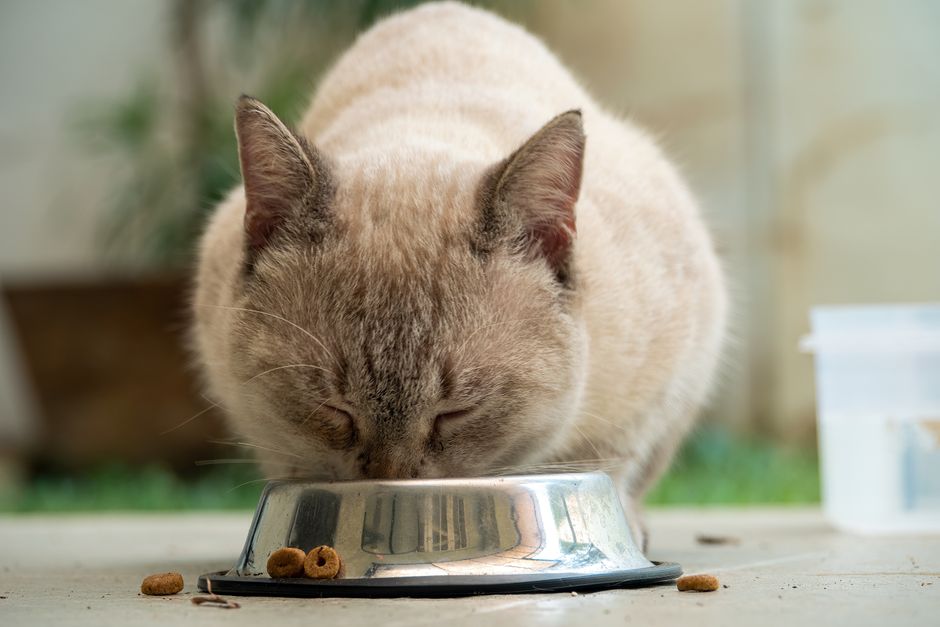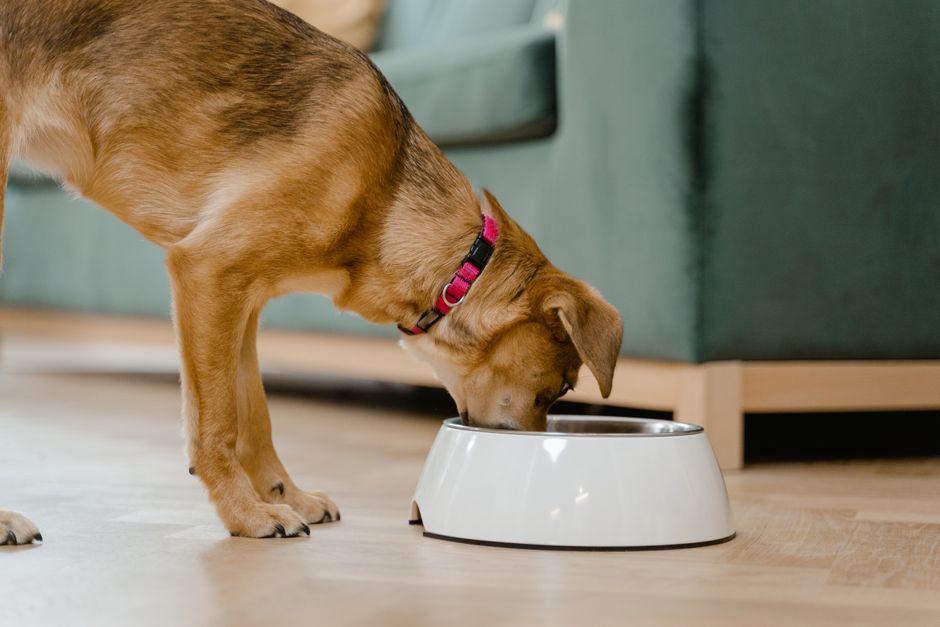
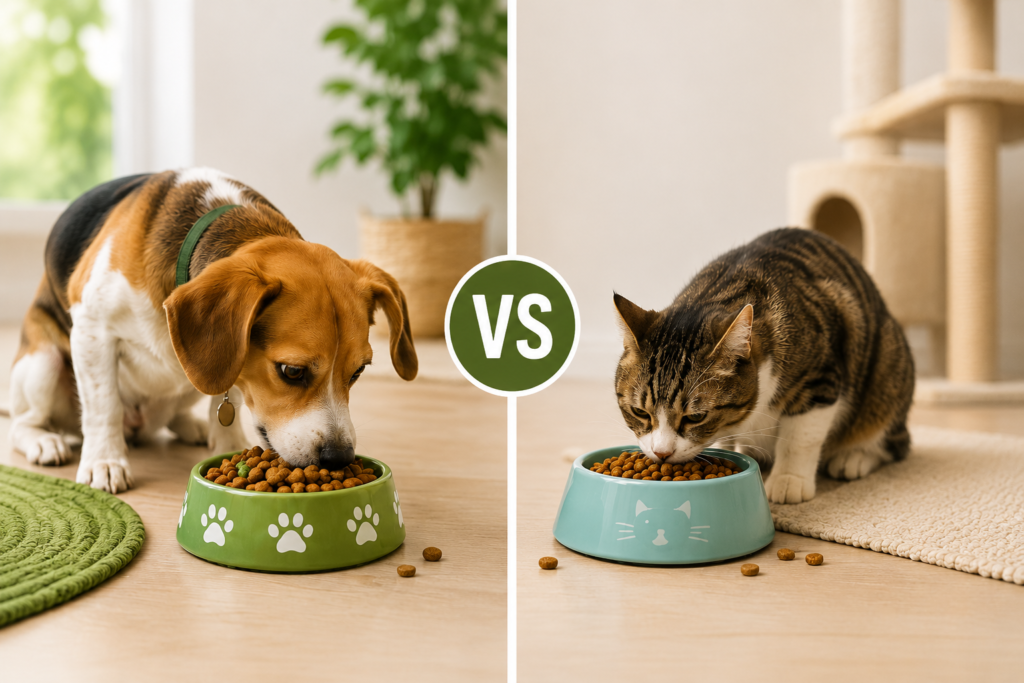
The dog food vs cat food question is one of the most practically important nutrition questions in any multi-pet household. According to the American Veterinary Medical Association’s pet nutrition guidance, dogs and cats have fundamentally different nutritional requirements that are not interchangeable — with cats classified as obligate carnivores whose specific amino acid and vitamin requirements differ so significantly from dogs’ omnivore nutritional profile that consistent cross-species feeding creates genuine health risks over time regardless of the occasional steal from each other’s bowl.
If you share your home with both a dog and a cat — and if your dog has ever vacuumed up the cat’s leftovers, or your cat has helped themselves to a mouthful of kibble from the dog’s bowl — you have probably wondered whether this actually matters. Sometimes. It depends on the frequency, the direction, and how long it has been going on.
This is the honest, practical guide to that question — not the alarmist version that treats every food-steal as an emergency, and not the dismissive version that says it does not matter at all. The truth is more nuanced, more useful, and more important for multi-pet households to understand properly.
Why Dogs and Cats Cannot Eat the Same Food? The Biology Explained.
Dogs and cats are both carnivores in the broader sense, but they are not the same kind of carnivore — and this distinction drives everything that follows. Dogs evolved as omnivores whose digestive systems adapted to process both animal protein and plant-based nutrition. They can produce certain essential nutrients internally from precursors found in various food sources. Their nutritional requirements are relatively flexible.
Cats evolved as obligate carnivores — meaning they must obtain certain essential nutrients directly from animal tissue because their bodies cannot synthesize them from other sources the way dogs can. This is not a preference. It is a biological requirement with real physiological consequences when not met.
The three nutritional differences between cats and dogs that matter most for the cross-species feeding question are:
Taurine — An amino acid that dogs can synthesize internally from other amino acids. Cats cannot. Cats must obtain taurine directly from their food, and cat food is formulated specifically to provide adequate taurine at every meal. Dog food may contain some taurine but is not formulated to meet feline taurine requirements. A cat fed primarily on dog food over weeks and months will develop taurine deficiency — which causes dilated cardiomyopathy (heart disease) and retinal degeneration that leads to blindness. These are not theoretical risks. They are documented consequences of inadequate taurine in feline diets.
Vitamin A — Dogs can convert beta-carotene from plant sources into Vitamin A internally. Cats cannot perform this conversion and must receive pre-formed Vitamin A directly from animal tissue in their food. Cat food provides this. Dog food provides beta-carotene rather than pre-formed Vitamin A in many formulations, which satisfies dogs perfectly but fails to meet feline Vitamin A requirements when cats eat primarily dog food.
Arachidonic acid — An essential fatty acid that dogs can synthesize from linoleic acid. Cats cannot and must consume it directly. Cat food is formulated with this requirement in mind. Dog food is not.
These three deficiencies are not the only nutritional gaps between dog and cat food — cat food is also generally higher in protein and lower in carbohydrates to match feline obligate carnivore requirements — but they are the three with the most serious documented health consequences for cats who eat primarily dog food over time.
Dog Food vs Cat Food — What Happens when one eats other’s food?
1. When a Cat Eats Dog Food.
Occasionally — no significant concern. A cat who steals a mouthful of dog kibble once in a while, or who eats a small portion of dog food during a transition period, faces no meaningful health risk. The occasional cross-species food steal does not cause taurine deficiency or vitamin A deficiency. The body has reserves that handle occasional nutritional gaps without consequence.
Regularly as a significant portion of diet — growing concern. A cat who consistently receives dog food as a meaningful portion of their daily nutrition begins depleting reserves of the nutrients that dog food does not adequately provide. The timeline to deficiency depends on the cat’s starting reserve levels and the proportion of dog food in their diet, but taurine deficiency can develop over weeks to months of consistent inadequate intake.
Primarily or exclusively — serious health risk. A cat fed primarily dog food over an extended period will develop the nutritional deficiencies that dog food’s formulation does not account for. Taurine deficiency causing heart disease and retinal degeneration is the most serious documented consequence. This is not a mild nutritional inconvenience — it is a welfare emergency that requires veterinary intervention.
Practical guidance for cat owners: If your cat occasionally accesses the dog’s food, relax — it is not an emergency. If your cat is consistently eating significant amounts of dog food because of feeding arrangement problems in your multi-pet household, address the feeding management before the cumulative nutritional impact becomes a health issue.
When a Dog Eats Cat Food.
The consequences for dogs eating cat food are different from and generally less severe than the cat eating dog food situation — but they are still real and worth understanding.
Occasionally — minor concerns at most. Dogs who occasionally eat cat food face no meaningful health risk from the food itself. Cat food is safe for dogs to consume in the same way that most human foods are safe for dogs to consume — the ingredients are not toxic. The nutritional profile is simply different from what dogs are optimally designed to consume.
Regularly — digestive and weight concerns. Cat food is significantly higher in protein and fat than dog food, which makes it extremely palatable to dogs — one of the reasons dogs are so motivated to eat the cat’s food given any opportunity. Regular cat food consumption by dogs creates excess protein and fat intake relative to canine nutritional requirements, which contributes to obesity, pancreatitis risk (particularly in dogs already prone to this condition), and the digestive upset that high-fat food causes in dogs whose digestive systems are not accustomed to this fat level.
Exclusively — longer-term nutritional imbalance. A dog fed exclusively cat food over an extended period develops the nutritional imbalances that excess protein and fat intake while lacking the balanced nutritional profile of properly formulated dog food produces. This is a less acute crisis than the taurine deficiency scenario for cats, but it is a genuine nutritional problem that veterinary guidance should address.
Practical guidance for dog owners: Your dog eating the cat’s food occasionally is a behavioral management issue more than an immediate health emergency. Your dog eating cat food consistently is a weight management and digestive health concern that warrants addressing through better feeding management.
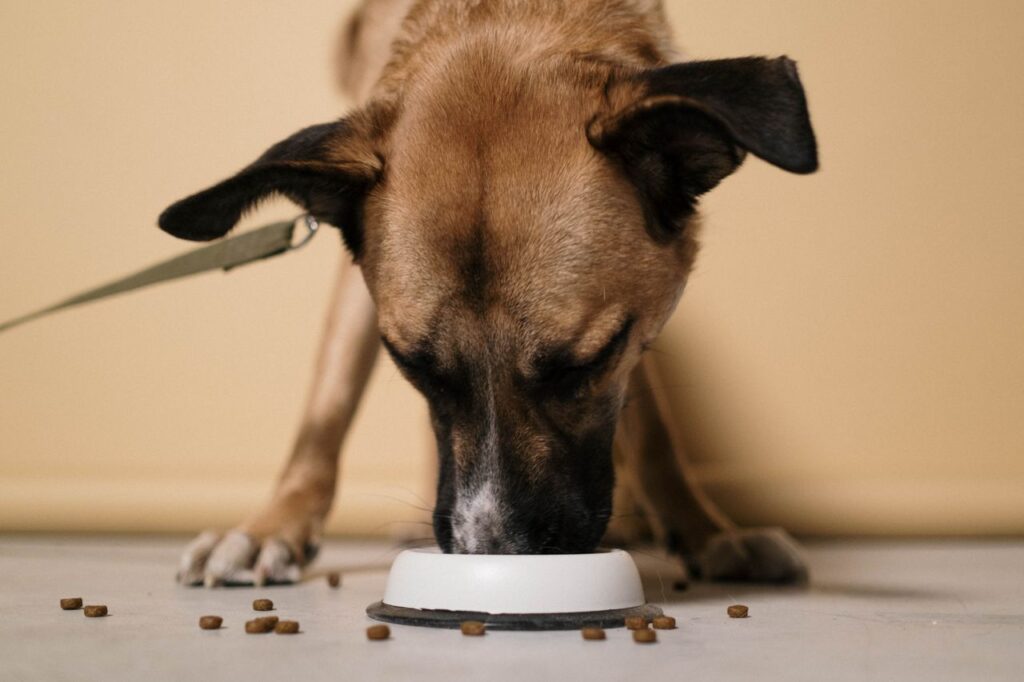
The Bottom Line — Can They Share the Same Food?
No — not as a designed feeding arrangement. Dogs and cats have genuinely different nutritional requirements that commercially available foods are specifically formulated to meet for each species. Feeding them the same food consistently means that at least one species is not getting what they need nutritionally, and in the case of cats eating dog food the consequences can be seriously harmful.
The occasional food steal in a multi-pet household is a normal part of multi-pet life and not worth significant worry. The feeding arrangement that results in either pet consistently eating the other’s food warrants correction — not because the food itself is toxic, but because consistent nutritional mismatch has real health consequences over time.
Practical Feeding Strategies for Multi-Pet Households
The feeding management question in multi-pet households is how to ensure each pet reliably eats their own species-appropriate food without consistently accessing the other’s. Here are the strategies that work in practice:
Separate feeding locations — Feed the cat and dog in different rooms with the door closed during mealtimes. This is the simplest complete solution — no access to the other’s food is possible when they are physically separated during eating. The door opens after both have finished their meals and both bowls are cleared.
Elevated cat feeding — Cats are natural climbers and are comfortable eating on elevated surfaces that dogs typically cannot access. A cat feeding station on a counter, high shelf, or dedicated elevated feeding platform that the dog cannot reach solves the dog-eating-cat-food problem without any room separation. This works for most dogs except exceptional jumpers.
Timed feeding rather than free feeding — Scheduled mealtimes where food is put down, eaten within 20 to 30 minutes, and then removed eliminate the unsupervised food access that free feeding creates. When neither bowl is available outside of mealtimes, cross-species stealing cannot occur between mealtimes.
Microchip-activated cat feeders — Technology-forward solution for persistent dog-eating-cat-food problems. Microchip-activated feeders open only when the registered cat’s microchip is detected and remain closed to any other animal. These are more expensive than standard feeders but solve the cross-species access problem completely and automatically.
Separate mealtimes — If physical separation is not practical, feeding one animal and supervising until they finish, then putting out the second animal’s food, prevents any overlap access without requiring dedicated separate rooms.
The feeding management strategies that prevent cross-species food sharing in multi-pet households require the right equipment alongside the right routine. For the automatic feeding solutions that make scheduled separate feeding effortless even for busy multi-pet households check out our complete guide to the best cat feeders under $50 — the reliable automatic feeders that keep your cat on their feeding schedule independently of the dog’s mealtimes.
Warning Signs to Watch for in Multi-Pet Households
If your feeding management has not been ideal and you suspect your cat has been eating significant amounts of dog food, or your dog has been eating significant cat food regularly, here are the signs that warrant a veterinary conversation:
For cats: lethargy or reduced activity levels, reduced vision or bumping into objects, changes in heart rate or breathing, weight loss despite eating, reduced appetite. These can indicate taurine or vitamin deficiency developing.
For dogs: weight gain or obesity, digestive upset including vomiting or diarrhea after meals, reduced appetite for their own food (which may indicate they are eating the cat’s food as the primary nutrition source), pancreatitis symptoms including abdominal pain, vomiting, and lethargy.
Neither list represents guaranteed indicators of cross-species food feeding consequences — these symptoms have many potential causes. But if they are appearing alongside a known history of significant cross-species food consumption, discussing with your veterinarian is the appropriate response.
All nutritional guidance in this article is based on current veterinary research and professional animal nutrition standards. For the complete guide to choosing the right type of food within cat-specific nutrition — wet versus dry and what each delivers for feline health — check out our complete comparison of wet food vs dry food for cats — the honest nutritional guide that helps cat owners make the best feeding decision for their specific cat.
Frequently Asked Questions
Q: My dog ate the entire cat’s bowl. Should I be worried?
A: A single large helping of cat food is unlikely to cause serious harm in a healthy adult dog. You may see digestive upset — softer stools or mild stomach discomfort from the higher fat content — for a day or two. Monitor for vomiting, significant lethargy, or abdominal pain, which in rare cases can indicate the beginning of a pancreatitis episode in predisposed dogs. For most dogs, a single cat food incident is an unpleasant surprise rather than a medical emergency.
Q: My cat has been eating dog food for months because I did not know the difference mattered. What should I do?
A: Schedule a veterinary appointment. Explain the feeding history and ask for a taurine level assessment and general health check. Transition your cat to a properly formulated cat food immediately — the transition should be gradual to avoid digestive upset, mixing increasing proportions of cat food with dog food over seven to ten days. The sooner the nutritional correction happens, the better the recovery outlook for any developing deficiencies.
Q: Is there any food that is safe for both dogs and cats?
A: Yes — some whole food ingredients are safe for both species, including plain cooked chicken, cooked fish, plain cooked eggs, and certain vegetables in small quantities. These are appropriate as occasional treats for both animals, not as primary nutrition. There is no commercially available single pet food that is formulated to meet both feline and canine nutritional requirements simultaneously because the requirements differ too significantly.
Q: My cat and dog seem to prefer each other’s food. Why?
A: This is extremely common and has a straightforward explanation. Cat food’s higher protein and fat content makes it more palatable and aromatic than dog food for both species — dogs find cat food irresistible precisely because it is richer than their own food. Cats sometimes prefer dog food textures, particularly certain wet dog food formulations. Preference is not the same as suitability — what animals want to eat and what is nutritionally appropriate for them are frequently different things.
Q: Can puppies eat kitten food or vice versa?
A: The same cross-species principles apply to young animals. Kitten food is even higher in protein, fat, and specific nutrients than adult cat food to support rapid growth — making it even less suitable for dogs than adult cat food. Puppy food is formulated for canine growth requirements that differ from feline growth requirements. Puppies and kittens should eat species-appropriate food specifically formulated for their life stage.
Conclusion
The dog food vs cat food question has a clear answer — no, they cannot share the same food as a designed feeding arrangement, and the health consequences of consistent cross-species feeding are real and documented, particularly for cats eating dog food over time.
The occasional food steal is a normal multi-pet household reality that does not warrant alarm. The feeding arrangement that allows consistent cross-species food access is worth correcting — through room separation, elevated cat feeding stations, timed meals, or microchip feeders — before nutritional consequences develop.
Both your dog and your cat deserve food that genuinely meets their specific biological requirements. Understanding why those requirements differ is the knowledge that makes the feeding management investment worthwhile.
Explore the complete collection of pet care guides and product recommendations at TopPetAccessories.com — Top Pet Accessories Blogs Page — for honest practical advice on every feeding, care, and accessory decision your pets’ health depends on. And if you are considering adding a beautiful low-maintenance aquarium to your home check out our complete guide to the best aquarium starter kits for beginners — 10 brilliant picks that make setting up your first fish tank genuinely easy and successful.