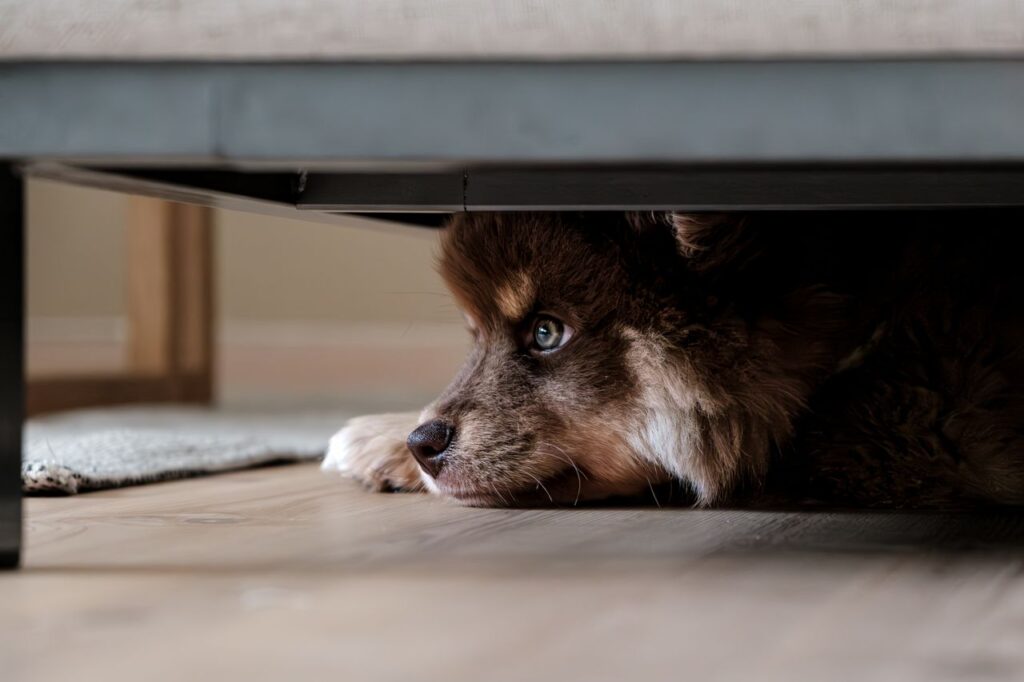
Thunderstorm anxiety affects a significant proportion of dogs and represents one of the most distressing experiences that many pet owners witness. According to research published by the American Veterinary Medical Association, noise aversion including thunderstorm anxiety affects approximately 40 percent of dogs — making it one of the most prevalent behavioral health challenges in the domestic dog population and one that veterinary researchers have increasingly identified as a genuine welfare concern requiring active management rather than passive acceptance. Watching a dog shake uncontrollably hide under furniture pant excessively and refuse to calm down during a thunderstorm is genuinely upsetting for owners who feel helpless in the face of their dog’s obvious distress — and the helplessness is often compounded by the advice to simply ignore the behavior or wait it out that most owners initially receive.
Knowing how to keep your dog calm during thunderstorms means understanding both the immediate management techniques that reduce in-storm anxiety and the longer-term behavioral approaches that build the underlying resilience that makes storm anxiety genuinely better over time rather than simply managed in the moment. This complete guide covers both — so that the next storm produces a meaningfully different experience for your dog than the ones that came before.
Understanding Why Thunderstorms Cause Such Extreme Anxiety in Dogs
Before covering specific calming techniques it helps to understand what dogs are actually responding to during thunderstorms — because thunderstorm anxiety is more complex than simply fear of loud noises and understanding the full picture explains why some calming approaches work better than others.
Dogs experiencing thunderstorm anxiety respond to a combination of stimuli that the storm produces simultaneously — not just the obvious thunder sounds but also lightning flashes the drop in barometric pressure that precedes storm arrival static electricity buildup in the dog’s coat that creates uncomfortable physical sensations and the human household’s behavioral changes that anxious owners unknowingly produce in response to the approaching storm.
The static electricity component is particularly significant and frequently overlooked. Dogs experience static buildup in their fur during storms that creates uncomfortable tingling sensations — research suggests this is why many storm-anxious dogs seek out bathtubs tile floors and other grounded surfaces during storms and why some dogs’ anxiety begins before the audible storm arrives as barometric pressure changes trigger early anxiety responses.
This multi-sensory anxiety profile explains why noise-only solutions that address only the sound component frequently provide incomplete relief — the anxious dog continues experiencing the non-sound triggers even when thunderclaps are masked by white noise or music.
Immediate Techniques on How to Keep your dog Calm during Thunderstorms
These techniques provide relief during active storm events — the immediate management approaches that reduce peak anxiety when a storm is already occurring.
Create a Safe Space Before the Storm Arrives
The most effective immediate management strategy for storm-anxious dogs is a designated safe space that the dog has been positively introduced to before storm season and that they associate with comfort security and safety rather than the anxiety that the rest of the home’s open spaces produce during storms.
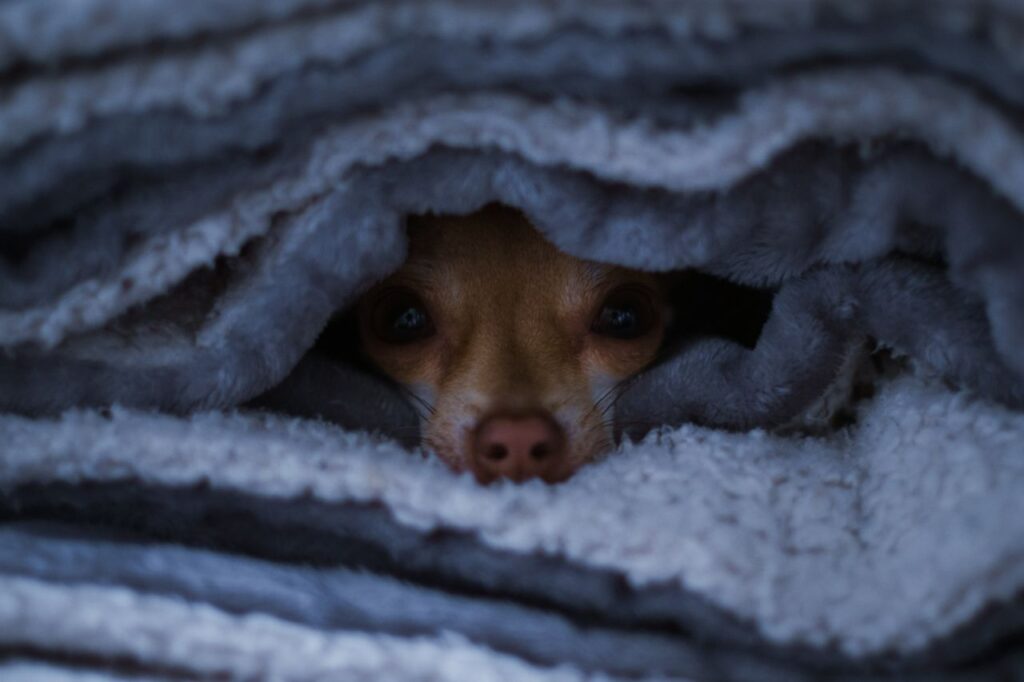
The ideal safe space for a storm-anxious dog combines the enclosed den-like quality that anxious dogs instinctively seek with soundproofing that reduces thunder volume and grounding that addresses the static electricity component. A bathroom or interior closet — rooms with no exterior walls that reduce the lightning flash exposure and muffle thunder somewhat — with a comfortable bed thick blankets and familiar scent-bearing items like worn clothing that carries the owner’s scent provides the multi-factor anxiety reduction that open room alternatives cannot match.
Introduce the safe space between storms rather than during active anxiety events — the first introduction during a storm creates the stressful association with the space that undermines its intended calming purpose. Feed your dog in the safe space occasionally and offer high-value treats there between storms to build the positive association that makes the space genuinely comforting rather than simply available during storms.
Use a Pressure Wrap
Pressure wraps — snug-fitting garments that apply gentle consistent pressure across the dog’s torso — provide meaningful anxiety reduction for many storm-anxious dogs through the same calming mechanism that swaddling provides for anxious infants. The Thundershirt is the most widely known commercial pressure wrap and has demonstrated meaningful anxiety reduction in controlled studies — but a snug-fitting t-shirt or DIY ace bandage wrap can provide similar mechanical pressure if a commercial wrap is unavailable.
The pressure wrap works by activating the parasympathetic nervous system response that sustained gentle pressure produces — the calming physiological response to pressure contact that reduces cortisol levels and promotes the relaxed behavioral state that anxious dogs cannot reach through environmental management alone.
Fit matters significantly for pressure wrap effectiveness — too loose provides insufficient pressure to activate the calming response while too tight creates additional discomfort that compounds anxiety rather than reducing it. The correct fit allows two fingers beneath the wrap while applying firm consistent pressure across the chest and sides without restricting breathing or movement.
Introduce the pressure wrap between storms and during low-anxiety periods before expecting it to produce results during peak storm anxiety — dogs who have never worn a wrap and encounter it for the first time during a high-anxiety storm event may respond to the novel sensation with increased rather than decreased anxiety until the wrap becomes familiar.
Counter-Condition with High-Value Activities
Counter-conditioning — the deliberate creation of positive emotional responses to anxiety-triggering stimuli through repeated positive experience pairing — is one of the most effective behavioral techniques for reducing storm anxiety and one of the few approaches that produces genuine long-term improvement rather than only in-storm symptom management.
During storms engage your dog in the highest-value activities you have available — playing with their favorite toys offering the highest-value treats they receive at any time and providing the most exciting interactive engagement that their current anxiety level allows them to participate in. The goal is generating positive emotional engagement with storm stimuli present — teaching the dog’s brain through repeated experience that storms predict good things rather than frightening outcomes.
Counter-conditioning during active storm events requires that your dog’s anxiety level is moderate rather than severe — dogs in the peak panic state that severe storm anxiety produces are too distressed to engage with positive activities and forcing activity attempts during peak panic reinforces the anxiety rather than counter-conditioning it. For severely anxious dogs address the immediate panic state through safe space and pressure wrap before attempting counter-conditioning activities.
Address the Static Electricity Component
Grounding your dog during storms addresses the static electricity accumulation that contributes meaningfully to storm anxiety in many dogs — providing the physical relief from uncomfortable tingling sensations that no behavioral technique alone can produce.
Damp towel rubdown — wiping your dog’s coat with a damp towel discharges accumulated static electricity effectively and provides the physical contact comfort that many anxious dogs find calming during storm events. The combination of static discharge and owner contact through the toweling process addresses both the physical static discomfort and the psychological comfort need simultaneously.
Grounded surfaces — encouraging or guiding your dog to the bathroom tile or kitchen floor during storms provides the grounding surface that many dogs instinctively seek during storms — the behavior that previously seemed random or counter-productive often represents the dog’s own instinctive attempt to address the static discomfort that storm anxiety produces.
Anti-static coats — specialized anti-static dog garments that prevent static buildup in the fur are available as an alternative or complement to pressure wraps for dogs whose anxiety appears primarily driven by static electricity discomfort rather than the sound component.
Long-Term Management — Building Lasting Calm Over Time
The immediate techniques above reduce in-storm anxiety but do not address the underlying anxiety sensitization that makes storms progressively more frightening for many dogs over years of repeated frightening storm experiences. Long-term management techniques build the resilience and positive storm associations that improve storm anxiety fundamentally rather than simply managing it each time a storm arrives.
Desensitization Training
Desensitization — the gradual exposure to anxiety-triggering stimuli at intensities below the anxiety threshold combined with positive experience during exposure — is the gold standard behavioral intervention for noise anxiety and produces the most lasting improvement of any non-pharmaceutical approach when conducted correctly over time.
The desensitization process for thunderstorm anxiety uses recorded thunderstorm sounds played at very low volume — below the threshold that triggers any anxiety response — while simultaneously providing the highest-value positive experiences available. Over weeks of regular sessions the playback volume increases imperceptibly slowly — always remaining below the current anxiety threshold — until the dog tolerates realistic thunderstorm volumes without anxiety responses.
Several commercially available recorded thunderstorm desensitization programs provide correctly structured audio with gradual progression tracks — using these programs rather than random thunderstorm recordings ensures the systematic intensity progression that effective desensitization requires rather than the random variation that ad hoc recordings provide.
The critical principle of desensitization is that exposure never exceeds the current anxiety threshold — a single session above the threshold that produces anxiety responses can set the entire program back significantly by reinforcing the anxious storm association that the program is working to extinguish. Progress slowly and prioritize maintaining the below-threshold exposure standard over faster volume progression.
Build General Confidence Through Training
Dogs with strong positive reinforcement training histories generally demonstrate lower anxiety across challenging situations including thunderstorms — the confidence and owner trust that consistent positive training builds translating into better anxiety coping across the range of stressors that domestic dogs encounter.
Consistent positive reinforcement training in the months before storm season builds the foundation of confidence calm responsiveness and owner relationship trust that helps dogs cope with anxiety-producing events more effectively than dogs without this training foundation. The specific commands most relevant to thunderstorm anxiety management are a reliable go to your place command that directs anxious dogs to their safe space on cue and a settle or calm cue that has been built through repeated positive reinforcement of calm behavioral states during low-stress practice sessions.
A properly managed thunderstorm anxiety program combined with consistent positive reinforcement training produces the most significant and lasting behavioral improvement available for anxious dogs. For the complete guide to positive reinforcement training techniques that build the confidence foundation that anxious dogs need check out our guide on how to train your dog with positive reinforcement — proven methods that reduce anxiety alongside building reliable behavior.
Maintain Consistent Routines During Storm Season
Predictability and routine are the environmental foundations of canine emotional security — dogs who live in predictable consistent environments with clear routine structure show significantly lower anxiety responses to unavoidable stressors like thunderstorms than dogs in unpredictably variable environments where the next stressor can appear at any time without established pattern.
During storm season maintain your dog’s exercise schedule feeding times and social interaction routine as consistently as possible — the baseline security that routine provides reducing the overall anxiety level that storm events then elevate rather than elevating from an already-elevated baseline that variable routines create.
Physical exercise in the hours before predicted storms reduces the baseline anxiety level through exercise-produced endorphin release and physical fatigue that makes the anxious arousal that storms produce less intense. A well-exercised dog who has had both physical and mental stimulation throughout the day enters a storm event from a calmer baseline state than an unstimulated dog whose anxiety level is already elevated before the storm arrives.
What Not to Do During Your Dog’s Storm Anxiety
Do not punish anxious behavior — Punishing a dog for shaking hiding or whining during a storm does not reduce the anxiety that produces these behaviors — it adds punishment stress to already overwhelming anxiety stress and damages the owner-dog relationship that is one of the most important resources the anxious dog has during storm events.
Do not force exposure to the storm — Keeping an anxious dog in situations that produce peak panic during desensitization attempts does not desensitize them — it floods them with anxiety that worsens the sensitization rather than resolving it. True desensitization always occurs below the anxiety threshold not at or above it.
Do not inadvertently reinforce anxiety with excessive reassurance — Extensive anxious reassurance directed at a distressed dog can inadvertently reinforce the anxiety response by providing attention-based reward for anxious behavior. Calm confident matter-of-fact interaction that neither punishes nor effusively rewards anxious behavior communicates the calm assessment of the situation that helps anxious dogs take their emotional cue from their owner’s composed response.
Do not assume storm anxiety resolves without intervention — Storm anxiety in most dogs worsens progressively over years of repeated frightening storm experiences without behavioral intervention — each storm adding to the anxiety sensitization that makes subsequent storms more frightening. The progressive worsening pattern makes early intervention significantly more effective than waiting to address severe anxiety that years of sensitization have entrenched.
When to Consult Your Veterinarian
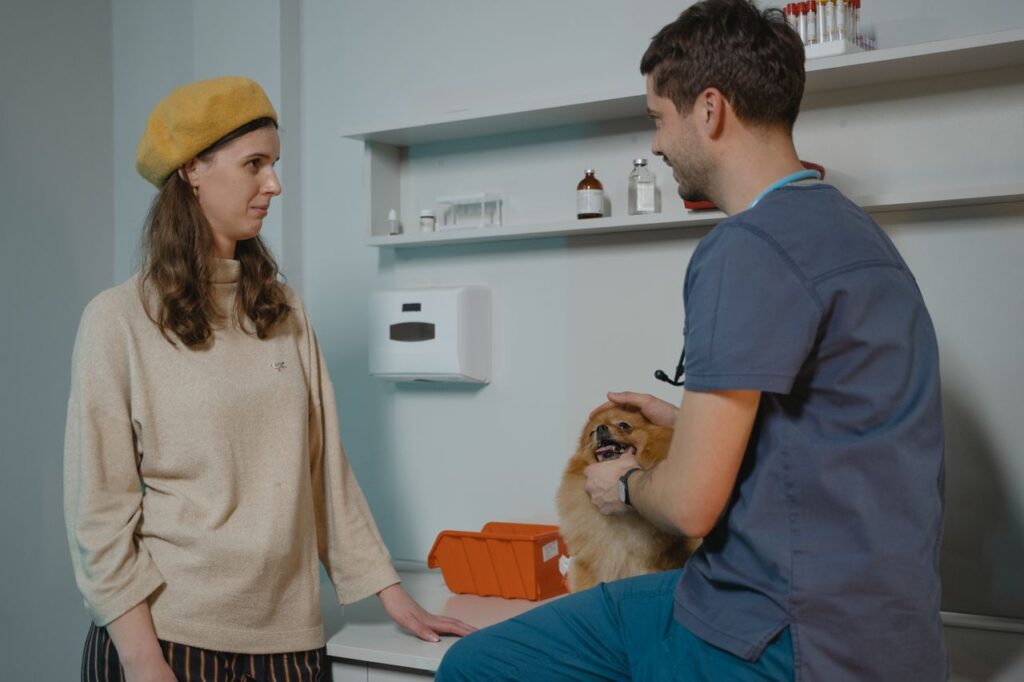
Severe storm anxiety that produces self-injurious behavior — destructive attempts to escape that cause physical injury attempts to break through windows or doors and complete inability to engage with any calming intervention during storm events — warrants veterinary consultation that behavioral techniques alone cannot adequately address.
Veterinary options for severe storm anxiety include situational anxiety medications prescribed specifically for use during storm events that reduce peak anxiety intensity enough for behavioral management techniques to function effectively and longer-term anxiolytic medications for dogs with pervasive anxiety that extends beyond storm events to a general anxiety baseline that situational management cannot adequately address.
Veterinary consultation for storm anxiety does not represent a failure of behavioral management — it represents appropriate recognition that some anxiety severity levels require pharmaceutical support for behavioral techniques to produce the improvement that behavioral techniques alone cannot achieve at very high anxiety intensities.
Building a Complete Storm Season Plan
The most effective thunderstorm anxiety management combines multiple approaches into a coherent storm season plan rather than applying single techniques in isolation hoping one alone produces sufficient improvement.
Before storm season — establish the safe space train the calm cue build general confidence through consistent positive reinforcement training and begin the desensitization program using recorded thunderstorm audio at low volumes.
During storms — guide the dog to the safe space apply the pressure wrap provide the anti-static treatment if static electricity is a significant anxiety component engage in counter-conditioning activities at anxiety levels that allow participation and maintain calm confident owner behavior throughout.
After storms — provide calm positive interaction that reinforces recovery reward calm behavioral states that the post-storm period produces and maintain the training and enrichment routine that builds the general confidence foundation that the next storm event will test.
Frequently Asked Questions
Q: At what age do dogs typically develop thunderstorm anxiety?
A: Thunderstorm anxiety can develop at any age but most commonly appears or worsens between two and four years of age — the period when many dogs’ social fear periods produce increased sensitivity to environmental stressors that younger dogs navigate without significant anxiety responses. Dogs who show no storm anxiety in puppyhood can develop it in young adulthood through the normal developmental increase in environmental sensitivity that adolescence and early adulthood produce.
Q: Can thunderstorm anxiety be completely cured?
A: Most dogs with thunderstorm anxiety can be significantly improved through consistent behavioral management and the appropriate combination of techniques described in this guide — reaching a state where storms produce mild manageable anxiety rather than the severe panic that undertreated anxiety produces over time. Complete resolution is achievable for mild to moderate anxiety cases treated early. Severe anxiety with years of sensitization typically achieves significant improvement that substantially improves quality of life without necessarily reaching complete resolution.
Q: Do calming supplements like CBD help with thunderstorm anxiety?
A: Some dog owners report meaningful benefit from veterinary-formulated calming supplements including CBD products specifically designed for dogs during storm events. The research base for these supplements is less established than for pharmaceutical interventions but the safety profile for appropriate canine formulations is generally good. If considering supplements discuss with your veterinarian before use to confirm appropriate formulation and dosing for your dog’s specific size health status and any medication interactions.
Q: My dog’s anxiety seems to start before I can hear any thunder. Is this normal?
A: Completely normal and well-documented. Dogs detect the barometric pressure changes and distant lightning activity that precede audible thunderstorms significantly before humans detect the storm’s approach — some dogs begin showing anxiety 30 to 60 minutes before storm arrival that humans can identify. This pre-storm anxiety window is actually an opportunity — beginning calming management before the peak of the storm rather than scrambling to respond once your dog is already in peak panic.
Q: Should I stay home during thunderstorms to manage my dog’s anxiety?
A: Staying home during storms if your dog has severe anxiety is genuinely helpful for acute management but should not be the long-term strategy that prevents behavioral intervention investment. A dog whose anxiety requires owner presence for management has a genuine welfare concern during every storm when the owner must be away. The long-term goal of behavioral management is a dog who copes adequately with storms independently — owner presence as a support during the behavioral program rather than the permanent management strategy that avoids addressing the underlying anxiety.
Conclusion
Knowing how to keep your dog calm during thunderstorms is one of the most genuinely welfare-impactful things any dog owner can learn — the difference between a dog who experiences every storm as a terrifying ordeal and one who copes adequately with the inevitable meteorological events that storm season brings every year.
The techniques in this guide range from immediate in-storm management that you can implement today through longer-term behavioral programs that build lasting improvement over weeks and months of consistent application. Start with the immediate techniques — safe space preparation pressure wrap introduction and static electricity management — while simultaneously beginning the desensitization program and positive reinforcement training that produce the lasting improvement that in-storm management alone never achieves.
Your dog cannot understand that storms are harmless. You can help them feel safe through them — and that is enough.
All guidance in this article is based on current veterinary behaviorist recommendations for canine anxiety management. For toys and interactive tools that help anxious dogs build confidence between storms check out our complete guide to the best dog toys under $50 — including the Snuggle Puppy heartbeat toy specifically designed for anxious dogs needing comfort and security. And if you need a quality carrier for your cat’s vet visits or travel check out our complete guide to the best cat carriers for safe comfortable travel — covering soft-sided hard-sided airline approved and multi-cat options for every travel situation.