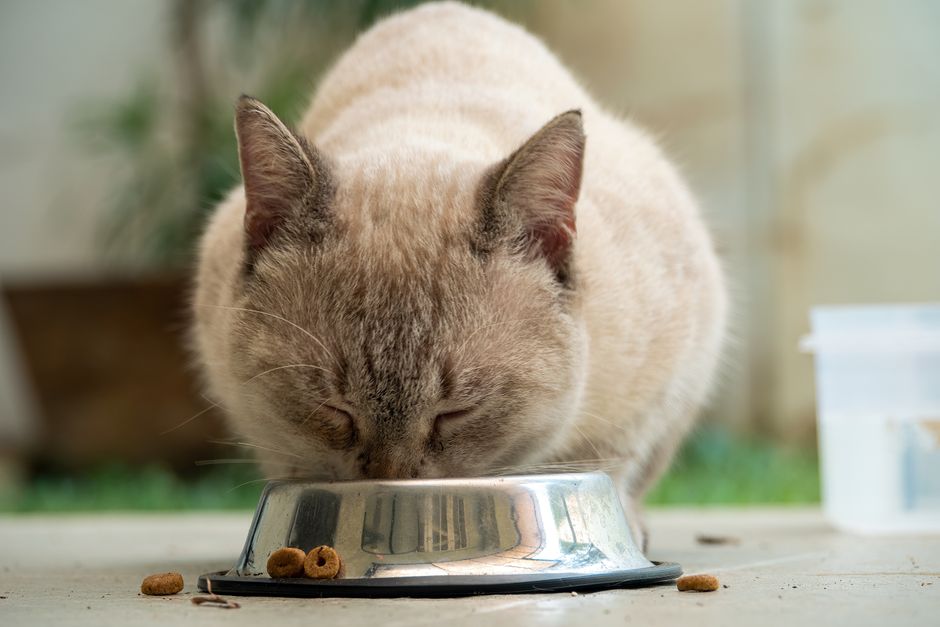
The wet food vs dry food for cats debate is one of the most frequently asked questions among cat owners worldwide. According to the American Veterinary Medical Association, proper feline nutrition is one of the most significant factors in long term cat health — with diet composition directly affecting urinary tract health kidney function weight management and overall longevity in ways that make the wet food vs dry food decision genuinely important for every cat owner who wants to support their cat’s long term health and quality of life.
Yet most cat owners make this decision based on convenience cost or habit rather than a genuine understanding of the nutritional and health differences between wet and dry cat food that veterinary research has consistently documented.
The wet food vs dry food for cats question does not have one universally correct answer for every cat — it has a correct answer for your specific cat based on their age health conditions weight activity level and individual preferences that this complete comparison will help you identify. Understanding the genuine differences between wet and dry cat food allows you to make a genuinely informed decision rather than defaulting to whichever food type your cat has always eaten or whichever is most convenient for your schedule.
Wet Food vs Dry Food for Cats…Understanding the Fundamental Nutritional Difference
Before comparing specific attributes understanding the core compositional difference between wet and dry cat food explains every comparison that follows.
Wet cat food contains 70–85% moisture — the water content that makes it resemble the composition of whole prey animals that cats evolved to eat in their natural environment. The high moisture content delivers simultaneous nutrition and hydration in every meal — the natural feeding method that cats’ digestive systems developed for over thousands of years of evolutionary history.
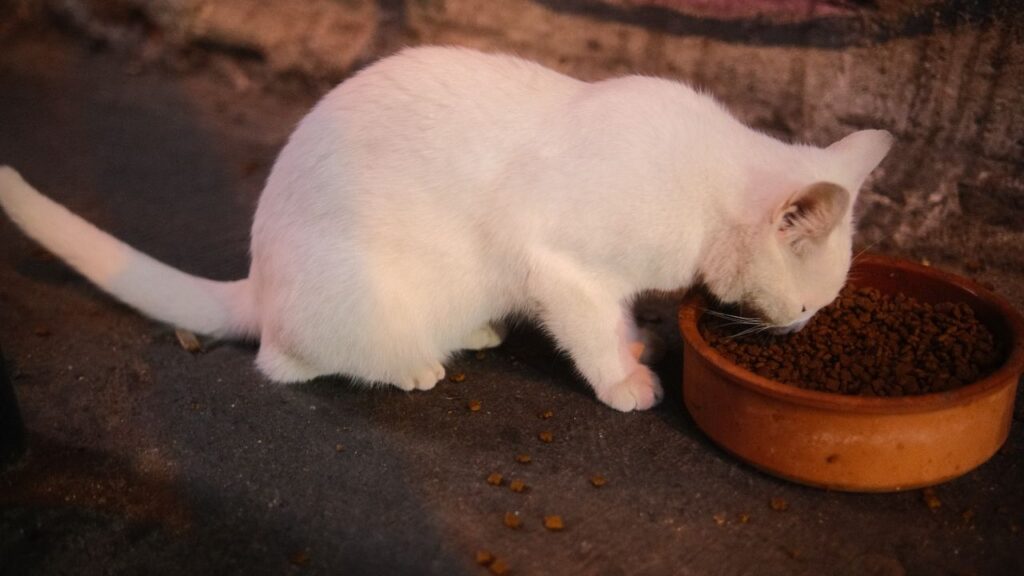
Dry cat food contains only 6–10% moisture — concentrated nutrition in a shelf stable kibble form that requires cats to drink sufficient water separately to meet their hydration needs. The processing required to create shelf stable kibble also requires higher carbohydrate content than cats’ obligate carnivore biology is specifically designed to process — cats having evolved as pure meat eaters with digestive systems optimized for high protein low carbohydrate diets.
This fundamental moisture and macronutrient composition difference explains the health implications that veterinary research has documented between long term wet and dry food feeding.
1. Hydration — The Most Critical Factor
Wet Food Hydration
Cats evolved as desert animals with a naturally low thirst drive — their ancestors obtaining the majority of their hydration from the moisture content of prey animals rather than from separate water sources. This evolutionary history means cats are biologically designed to obtain hydration primarily through their food rather than through separate water consumption — making food moisture content the most important hydration factor in feline nutrition.
Wet food’s 70–85% moisture content delivers the hydration cats are biologically designed to receive through food — supporting kidney function urinary tract health and overall systemic hydration that cats do not reliably obtain through separate water consumption when fed exclusively dry food.
Dry Food Hydration
Dry food’s 6–10% moisture content requires cats to compensate for the missing food moisture through dramatically increased voluntary water drinking — a compensation that cats frequently fail to make adequately due to their naturally low thirst drive. The chronic mild dehydration that this compensation failure creates in many dry food fed cats contributes to the higher rates of urinary tract disease kidney disease and concentrated urine that veterinary research has consistently documented in dry food fed cat populations compared to wet food fed alternatives.
Hydration Winner: Wet food — strongly and consistently supported by veterinary research for its contribution to feline urinary and kidney health through natural food moisture delivery.
2. Protein Content and Quality
Wet Food Protein
Quality wet cat foods provide high protein content from animal sources that closely resembles the nutritional profile of whole prey — the diet cats are obligate carnivores specifically evolved to thrive on. The lower carbohydrate content of wet food reflects the minimal carbohydrate intake that cats’ digestive biology is designed for — cats having limited ability to metabolize carbohydrates efficiently compared to omnivorous species.
Dry Food Protein
Dry food requires higher carbohydrate content than wet alternatives to maintain the kibble structure that shelf stable dry food production requires — resulting in carbohydrate percentages that frequently exceed the low levels that cats’ obligate carnivore biology handles optimally. The protein content of dry food can be high but the concurrent high carbohydrate content represents a nutritional profile that differs significantly from the low carbohydrate high protein diet that feline digestive biology evolved for.
Protein Winner: Wet food for closer alignment with feline obligate carnivore nutritional requirements through higher protein lower carbohydrate composition.
3. Dental Health
Dry Food Dental Claims
The most frequently cited advantage of dry cat food is its purported dental health benefit — the mechanical abrasion of kibble against tooth surfaces supposedly reducing plaque and tartar accumulation compared to soft wet food that leaves no mechanical cleaning effect on tooth surfaces during eating.
However veterinary dental research has consistently found that standard dry kibble provides minimal meaningful dental cleaning benefit — most cats swallow kibble whole or bite through it without the sustained mechanical contact with tooth surfaces that meaningful mechanical cleaning requires. Only specifically formulated dental diets with proven VOHC seal certification have demonstrated meaningful dental benefit — standard kibble provides negligible dental benefit that does not meaningfully support the dental health claim that dry food marketing frequently makes.
Wet Food Dental Reality
Wet food provides no mechanical dental cleaning effect — the soft texture requiring no sustained chewing that would contact tooth surfaces. Dental care for cats fed wet food requires dedicated dental treats appropriate chew toys or professional dental cleaning to maintain dental health that wet food diet does not support through the feeding mechanism itself.
Dental Winner: Neither significantly — standard dry kibble provides negligible dental benefit despite common marketing claims. Dedicated dental products provide better dental care than food type selection for either wet or dry fed cats.
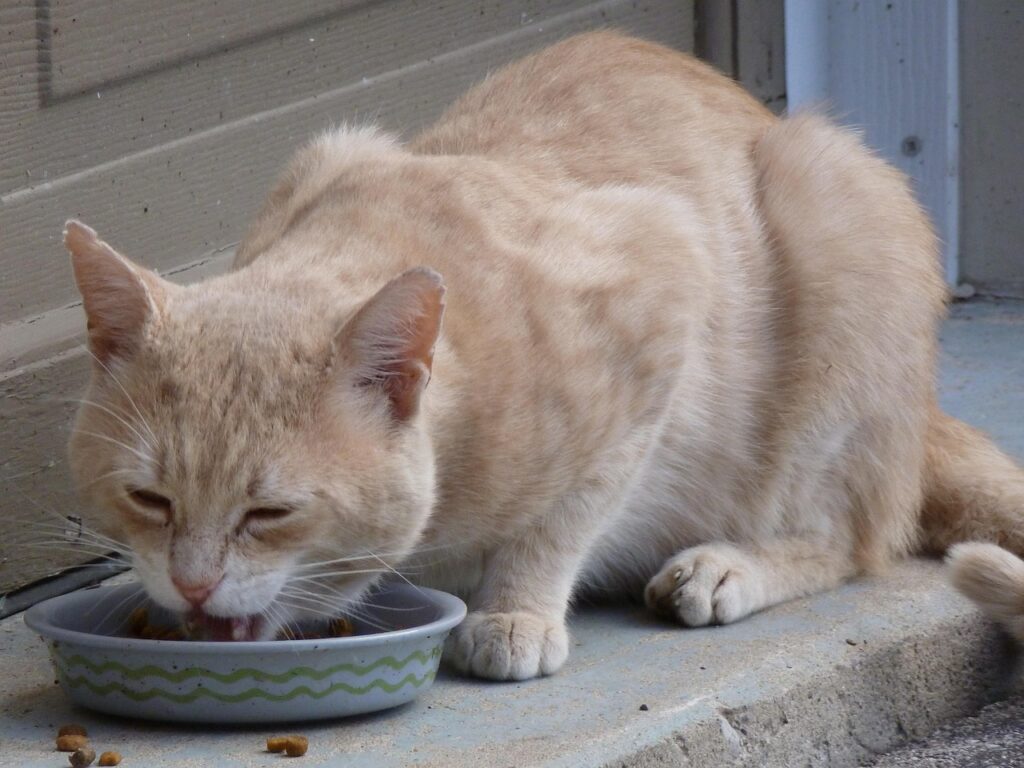
4. Weight Management
Wet Food Weight Management
The high moisture content of wet food provides volume and satiety with lower caloric density than equivalent volumes of dry food — cats eating wet food typically feel fuller from fewer calories than dry food fed cats eating equivalent volumes. This satiety at lower caloric intake supports weight management in cats prone to obesity — a growing health concern in indoor domestic cats whose sedentary lifestyle creates weight management challenges that appropriate caloric density directly affects.
Dry Food Weight Management
Dry food’s higher caloric density means cats consuming unlimited dry food can easily overeat — the small kibble size and low satiety per calorie combination allowing caloric overconsumption that contributes to the obesity epidemic affecting a significant proportion of domestic cats. Portion controlled dry food feeding addresses this overfeeding risk but requires careful measurement that free feeding dry food — the most convenient feeding method — eliminates from practical daily management.
Weight Management Winner: Wet food for supporting satiety at lower caloric intake in weight management scenarios. Portion controlled dry food adequate when carefully measured.
5. Cost Comparison
Wet Food Cost
Quality wet cat food costs significantly more per day of feeding than equivalent quality dry food — the higher water content meaning more packaging per calorie delivered and the manufacturing process creating higher production costs that translate to meaningfully higher per meal feeding costs. Budget wet food options exist but quality wet food feeding costs 3–5 times more daily than equivalent quality dry food for cats of average size and feeding requirements.
Dry Food Cost
Dry cat food delivers significantly more meals per dollar than wet alternatives — the concentrated nutrition and long shelf life of kibble providing more caloric value per packaging cost than moisture heavy wet alternatives. For cat owners managing feeding costs across multiple cats or on tight budgets dry food’s cost efficiency represents a genuinely meaningful practical advantage.
Cost Winner: Dry food — significantly lower cost per day of feeding than equivalent quality wet food alternatives.
6. Convenience Comparison
Wet Food Convenience
Wet food requires refrigeration after opening — opened cans and pouches must be refrigerated and used within 24–48 hours to prevent spoilage and bacterial contamination that room temperature storage creates in opened high moisture food products. Automatic feeders that work with wet food require more frequent cleaning than dry food feeders due to the bacterial growth risk in wet food residue that dry kibble does not create.
Dry Food Convenience
Dry food offers maximum feeding convenience — shelf stable for months after opening when stored in airtight containers automatic feeder compatible without spoilage risk and free feeding capable for households where owners are away for extended periods. The convenience advantages of dry food are genuine and significant for busy cat owners whose schedules make wet food’s refrigeration and freshness management requirements genuinely inconvenient.
Convenience Winner: Dry food — meaningfully more convenient for storage automatic feeding and extended owner absence management.
The Final Verdict — What Veterinary Research Actually Recommends
The majority of veterinary nutritional research and feline health specialists support wet food as the nutritionally superior choice for most cats based on the hydration benefits protein composition and carbohydrate alignment with obligate carnivore biology that wet food consistently provides over dry food alternatives.
However the practical reality for most cat owners involves balancing nutritional ideals against cost convenience and individual cat preferences that may strongly favor dry food regardless of nutritional superiority. Many veterinary nutritionists recommend a mixed feeding approach — wet food as the primary diet supplemented with some dry food for convenience and cost management — as the pragmatic nutritional compromise that serves both cat health and owner lifestyle most effectively.
Choose wet food as primary diet if:
- Your cat has urinary tract or kidney health history or concerns
- Weight management is a priority for your cat
- Budget accommodates higher wet food feeding costs
- Your schedule allows wet food freshness management
Choose dry food as primary diet if:
- Budget significantly constrains feeding costs
- Convenience and schedule require free feeding capability
- Your cat strongly prefers dry food and refuses wet alternatives
- You supplement with wet food occasionally for hydration support
Consider mixed feeding if:
- You want nutritional balance between wet food benefits and dry food convenience
- Budget allows partial wet food inclusion without full wet food cost
- Your cat accepts both food types without preference conflicts
Making an informed wet food vs dry food decision for your cat is one of the most impactful health choices you can make for their long term wellbeing and quality of life. And alongside the right diet a clean hygienic litter box is equally essential for your cat’s daily comfort and health — check out our complete guide to the best cat litter boxes under $50 for the most hygienic and easy to clean options available.
All information in this article is based on current veterinary nutritional research and genuine cat care expertise. And whichever food type you choose for your cat a quality automatic feeder makes consistent scheduled feeding effortless — check out our complete guide to the best cat feeders under $50 for reliable automatic feeding options that keep your cat fed on schedule every single day. And if you also have a dog at home check out our complete guide to the best dog crates under $50 for safe comfortable den space that supports crate training anxiety reduction and responsible dog ownership.